





Persistent Cough May Signal the Onset of COPD
Is your cough persisting despite trying every cough syrup available? Do you feel breathless, yet dismiss it as just a stubborn cold? It might be time to reconsider. Chronic Obstructive Pulmonary Disease (COPD) could be the underlying cause.
COPD occurs when the lower airways become obstructed, leading to difficulty in breathing. It is projected to soon become the third leading cause of death worldwide, after cancer and ischemic heart disease. Despite the staggering number of cases globally, many remain undiagnosed. Early detection is key to it’s successful treatment. However, with proper treatment, patients can enjoy a good quality of life even if diagnosed later.
Recognizing COPD Symptoms
COPD typically presents with three major symptoms:
- Persistent cough
- Breathlessness
- Increased sputum production
These symptoms may appear individually or in combination. While COPD cannot be fully reversed once it reaches an advanced stage, early diagnosis can help us to halt its progression in many cases. It’s very important to differentiate between Asthma and COPD. In both the conditions, one can have identical symptoms and their treatment could be identical in someway. But prognostically they are polls apart. Asthma is a reversible condition whereas COPD is basically irreversible disease but with proper treatment, can lead decent life style.
What is COPD?
COPD is an inflammatory condition of the airways of our lungs causing restricted airflow and breathing problems . In case of delayed diagnosis, the changes in the lungs can be permanent and become resistant to treatment. However, if detected during the inflammatory stage, treatments can reduce inflammation and can slow down the disease progression.
Diagnostic Tools
- Spirometry: A vital test to identify COPD early.
- Impulse Oscillometry (IOS):A newer, non-invasive lung function test that measures resistance in the lungs during normal breathing, particularly in those patients who are unable to perform the test e.g, Spirometry properly. IOS is simpler test and can be done effectively in both primary and advanced healthcare levels. Whereas the accuracy of spirometry results depends on applying proper techniques by a skilled technician.
COPD is Not Genetic
COPD is neither hereditary nor genetic. Instead, external factors like smoking are the primary triggers. In developed countries with minimal pollution, COPD cases are almost exclusively linked to smoking, whether active or passive.
Interestingly, not all smokers develop COPD; approximately 10–15% are affected. However, smokers with COPD experience accelerated lung function decline, leading to pronounced breathlessness and related complications.
Higher Incidence Among Women
A concerning trend is the rising incidence of COPD among women. Both active smoking and passive exposure contribute to this increase. Alarmingly, the number of young women taking up smoking is growing. Additionally, non-smokers exposed to biomass smoke during cooking, especially in poorly ventilated kitchens, are also at risk.
Quantifying Smoking Risk
The concept of a “pack year” is used to estimate smoking exposure. One pack year equals smoking 20 cigarettes daily for a year. The greater the pack years, the higher the risk of developing COPD. However, regardless of the duration, quitting smoking immediately upon diagnosis is essential.
Steps for Detection
COPD is identified through three cardinal symptoms:
- Persistent cough
- Breathlessness
- Excessive sputum production lasting at least three months in a year
This time frame differentiates COPD from temporary symptoms caused by viral infections. In a post-COVID world, where viral infections are frequent, careful evaluation is crucial.
Diagnostic Process
- Spirometry: Measures the level of airway obstruction based on physical factors like body weight and height.
- Reversibility Test: Determines if the condition is reversible with medication.
- Chest X-ray: Rules out other causes of excessive sputum production.
- High Resolution C T scan(HRCT) of thorax is all most essential investigations to assess the disease properly and most importantly to rule out any other associated complications.
COPD Treatment
Once COPD is diagnosed, one should consult a chest physician.
Mild Cases
For mild COPD, simply quitting smoking or avoiding pollutants may suffice.
Moderate to Severe Cases
- Bronchodilators:
o LABA (Long-acting beta agonists)
o LAMA (Long-acting muscarinic antagonists) - Triple Therapy: Combines bronchodilators with steroids for better symptom control.
These medications are often prescribed for life, and advancements in their delivery systems have significantly improved patient outcomes.
With timely detection, proper management, and medication, patients with COPD can lead a fulfilling life despite its challenges.
To learn more about COPD and receive expert advice on medications, book a consultation with the experienced doctors at Peerless Hospital. Click here to access Peerless Hospital's online doctor booking facility.
You may also like

Understanding Osteoporosis
Dec 30, 2024Osteoporosis is a generalised medical condition that occurs when bone mass decreases due to various causes....
Read More

Can an elderly person enroll in a gym for the sake of keeping fit? Generally, the answer would be a “no”. But this will not apply to everybody and not in all situations.
Read More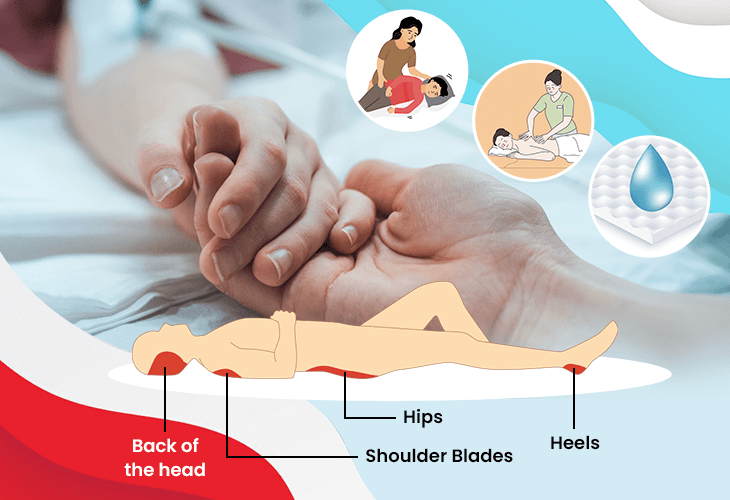
Preventing and Treating Bed Sores
Dec 12, 2024Bed sores, also known as pressure ulcers, occur when continuous pressure is exerted ....
Read More
Not All Chest Pains Need Cardiology Treatment
Jun 23, 2023All chest pains are not heart attacks and all heart attacks may not be associated with chest pain.
Read More
Dengue – Symptoms & Preventive Measures
Nov 15, 2021Dengue is a mosquito-borne viral disease which poses high medical burden in many regions worldwide.
Read More