




Are You at Risk? A Checklist for Heart Health
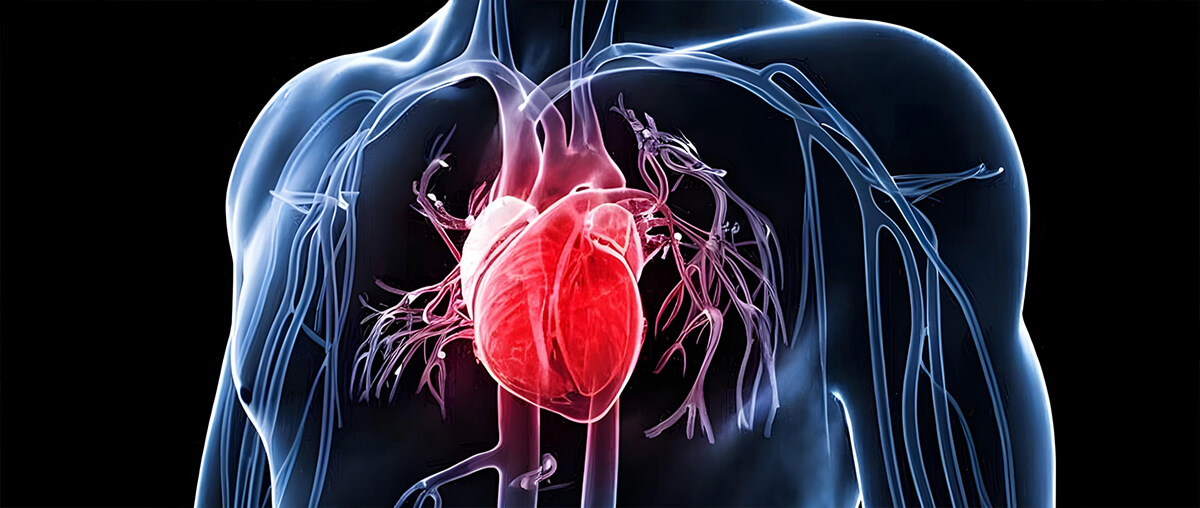
Heart attacks have assumed frightening proportions in India. Not only is there an increased incidence of the disease, but the way it has crossed the rural-urban and rich-poor divides to attain universality has raised alarm bells. To cap it all, the dreaded disease is progressively afflicting younger people. Experts are blaming it on the lifestyle, including the emerging food habits that doctors are pointing their fingers at as being life-threatening. The experience of the cardiology department at the Peerless Hospital Kolkata, is also in accord with the national experience. The only way to eliminate the threat is to go back to a healthier lifestyle. Let us understand the risks that lifestyle can pose and how to avert them by checking up on the following heart-health checklist.
Core Risk Understanding
- What are the major risk factors for heart disease?
These days, we classify risk factors into the Classical and the New Age, both of which are very important. The Classical Risk factors comprise the Big Five: hypertension, diabetes, family or genetic history, dyslipidaemia or high cholesterol and/or high triglycerides and smoking.
High levels of psycho-social Stress, diets poor in fruits and vegetables and or high in fats, lifestyle changes like sedentary lifestyles, irregular sleep patterns, and the like have started becoming increasingly important as risk factors. Issues like an imbalance of lipoproteins in the blood are all risk factors.
- How do age and gender influence heart health risk?
It has always been seen that males are more prone to heart disease than females. However, post-menopausal women have as high a risk as men. Most men have heart disease at a younger age, about forty’s, while women typically have it around fifty.
- Is family history a strong contributor—and what counts as a significant family history?
Genetics is very important, and we should investigate it in all three directions – parents, siblings, and children.
Lifestyle Factors
- How much does smoking or tobacco use raise the risk?
Smoking affects all parts of the body, especially heart health.
- Does alcohol consumption affect the heart, and what is considered “safe”?
Between smoking and alcohol consumption, for the heart, maybe alcohol is a lesser evil. There was this concept of the J curve, which postulated that up to two pegs a week does not increase the risk significantly. But it is always preferable that one avoid both alcohol and smoking.
- How do food habits (salt, sugar, trans fats, red meat) influence heart disease?
Food that is poor in fruits and vegetables, and food that is rich in saturated fats, is high in sodium, and is anathema.
- Does physical inactivity put me at higher risk?
Yes. It raises the risk factor significantly.
- How much exercise should I ideally get for heart protection?
30 minutes a day, five days a week, minimum.
Medical Indicators
- What blood pressure range is considered risky?
Till about three months back, the acceptable limit was 130/80. It is now 120/80. Anything above should raise a red flag.
- What cholesterol numbers should I be worried about (LDL, HDL, triglycerides)?
A lot depends on the specifics of the case. For someone with a low risk profile, less than 100 LDL is acceptable. But if a patient has either had a heart attack, a stroke or suffers from some heart disease, the LDL target will be less than 55.
- How does blood sugar level/diabetes increase heart risk?
Diabetes is one of the most significant risk factors. Both control and duration of diabetes are important. Any duration beyond ten years significantly increases the risk factors.
Symptoms & Early Warning Signs
- What early symptoms should I watch out for beyond chest pain?
Shortness of breath, chest discomfort initially on exertion, but when it slowly progresses to at rest, it becomes significant. Sometimes patients may even have giddiness or blackouts.
- Are unusual symptoms in women or older adults often missed?
Often, in elderly patients it may be a weakness, fatigue, or even recurrent falls may help us identify heart diseases.
- What are “silent” heart attacks and who is more prone?
Diabetics are highly prone to silent heart attacks. In cases of silent heart attacks, there is no chest pain or discomfort, but cardiac damage takes place. Sometimes. The only symptoms are tiredness and shortness of breath.
Self-Assessment & Checklist Items
- Which daily habits should I evaluate to understand my current heart health?
Check the BP as regularly as possible. Every few months check out for the risk factors like diabetes, sugar, and cholesterol levels. Try and avoid intake of food rich in fats and salt. Walk more. Quit smoking.
- Are there quick at-home checks I can do (pulse, waist measurement, lifestyle checklist)?
Looking at height and weight and calculating BMI can be helpful. High BMI will mean that the patient is obese, where weight loss will certainly help. Checking of blood pressure and sugar will also help.
Improving Your Heart Health
Take a three-pronged approach involving lifestyle, diet, and medication. Exercise so as not to remain sedentary, improve the diet, and take adequate medication for diagnosed ailments like hypertension or diabetes.
When to Seek Professional Help
When there is significant discomfort of chest pain, especially on exertion, but even while at rest, or there is shortness of breath or fatigue that is unexplained by other causes.
To maintain your heart health, you need to maintain a lifestyle that keeps your heart healthy, and to do that, you may need regular check-ups at facilities like Heart Cure Hospitals, such as the Peerless Hospital in Kolkata.
Popular Searches
Peerless One | Peerless Hospital Kolkata | Hospital in India | Big Hospital in Kolkata | Multispecialty Care | Best Multispecialty Hospital | Best Hospital in Kolkata
You may also like

There is a quiet revolution transforming the healthcare infrastructure scene in the North-Eastern states of the country, with Guwahati as its epicentre and Peerless Hospitals playing a key role in the metamorphosis.
Read More

The incidence of cases requiring neurosurgical intervention is on the rise globally, and India is no exception.
Read More
Just having cancer is not enough to threaten mortality.
Read More
Paediatric surgery is different from general surgery primarily because paediatric surgeons have to deal with very small patients.
Read More
Walk down any street in Kolkata, and you are, in a sense, walking through history.
Read More