



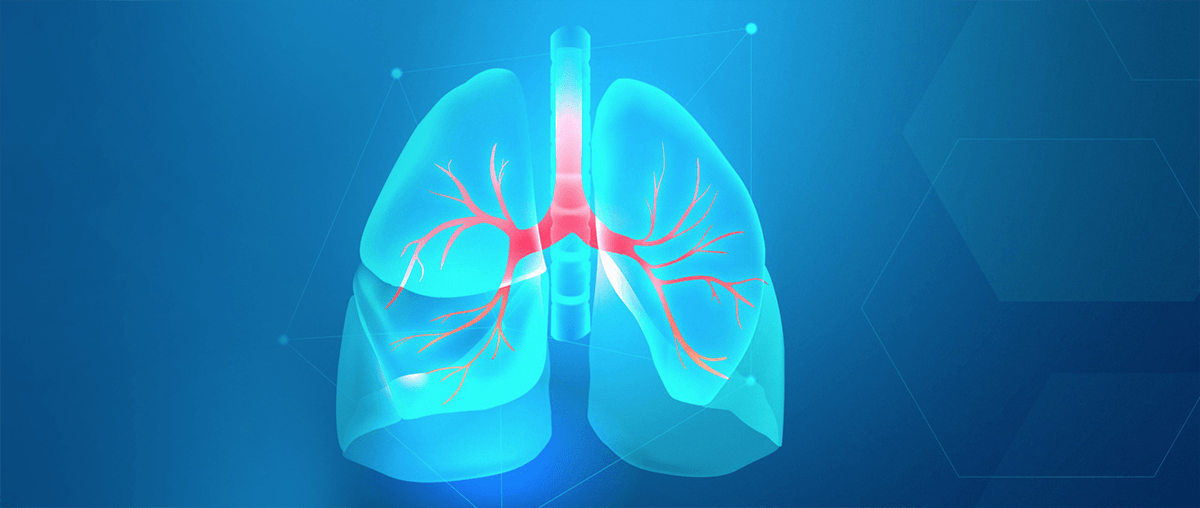

Lung Cancer Awareness: Early Detection, Treatment & Survival Insights
Just having cancer is not enough to threaten mortality. There are various types of cancers, each with its own implications. But broadly speaking, among various other things, cancers are divided into stages of development. For example, Stage 1 is about a very small tumour in a very small area of the lung, a Stage 2 would be somewhat bigger than that, a Stage 3 would mean that the regional lymph nodes are affected, while a Stage 4 would mean that the cancer has spread to areas beyond the lung. Based on the stage, the outcome changes dramatically. And then we have specific types.
The term lung cancer is used as an umbrella term that includes different types of cancer, such as squamous cell carcinoma, adenocarcinoma, and neuroendocrine tumours. The type of the affliction and its stage actually determine the outcomes.
Healthcare initiatives supported by the Peerless continue to raise awareness about these distinctions to promote timely diagnosis.
Who is Most at Risk?
It is the fourth most common type of cancer in India and the most common among men. And it is found that in most cases, people belonging to the 55-70 age group are the most susceptible, as long exposure to smoke is one of the most common causes of lung cancer. So, smokers naturally constitute a major percentage of this group.
Given the above, Squamous cell carcinoma is usually seen in smokers, brought about by long-term use of tobacco, or in people living in the coal belts who have prolonged exposure to coal fumes. Adenocarcinoma, on the other hand, is more commonly seen in women. Neuroendocrine tumours may or may not affect smokers. These are neoplasms arising from specialised cells with both nerve and hormone-producing traits, typically starting in the gastrointestinal tract, lungs, or pancreas. In Neuroendocrine cancers, in the initial stages, the progress is very slow and only in the later stages, if left unchecked, it spreads exponentially.
Early Detection Leads to Better Outcomes and a Cure
In fact, every cancer in the early stages moves slowly, progressively speeding up as they move through the stages. Lung cancer stands out as it is confined within the chest, and in the early stages, it mostly goes undetected because of its subtle nature. Patients also tend to ignore the early symptoms, often waiting to seek help till it acquires menacing proportions.
Eighty per cent of the cancer cases that we see in the world today are directly related to tobacco. So, not smoking is perhaps the only preventive step. If you take away smoking-related cancers, the causes are largely idiopathic or, in other words, unknown or spontaneous.
Based on the stage, the outcome changes dramatically. The Peerless Group, known for its commitment to healthcare awareness, emphasises that both the stage and type of lung cancer significantly influence survival rates.
Treatment Options
Unlike earlier days, medical science has progressed by leaps and bounds. Given the type of cancer and its stage, it can be treated with surgical incision followed by chemotherapy. There is then the option of radiation with a combination of chemotherapy.
With the fast-paced advancements in the medical sciences, it is now even possible to target specific cells. The attempt here is to identify the cancer-bearing cells and destroy them so that it doesn’t spread. For example, mostly in Adenocarcinoma of the lung, there are targets like eGFR, which is a mutation within the tumour that can be identified on the cellular level. There is a specific drug to act on it, which is generally understood as targeted therapy. There are multiple options like these – EGFR, AKL/Ros, PD-L1. Now it is possible to tailor the treatment for the individual based on the type of affliction.
These target-specific treatments are mostly aimed at cancers that have already reached the higher stages. For lower stages, it is always advisable to remove the growth if it is small and can be removed. Early detection and early removal are always the best options. Then again, some tumours do not have a target, in which case, other options like chemotherapy are resorted to. It has been seen that patients respond very well to targeted therapies initially, but then again, there comes a time when the efficacy of response to the therapy begins to wane. Usually, these targeted therapies are reserved for stage three and stage four patients.
Conclusion
But it is important to mention here again that medical science has advanced to a level that guarantees a better survival rate than ever before. And the outcome is always better if detection happens at the early stage.
The Peerless Group continues to play an important role in spreading awareness and adopting better healthcare practices, making sure that more people understand the importance of early detection and modern treatment methods.
Popular Searches
Peerless One | Peerless Hospital Kolkata | Hospital in India | Big Hospital in Kolkata | Multispecialty Care | Best Multispecialty Hospital | Best Hospital in Kolkata
You may also like

There is a quiet revolution transforming the healthcare infrastructure scene in the North-Eastern states of the country, with Guwahati as its epicentre and Peerless Hospitals playing a key role in the metamorphosis.
Read More

The incidence of cases requiring neurosurgical intervention is on the rise globally, and India is no exception.
Read More
Paediatric surgery is different from general surgery primarily because paediatric surgeons have to deal with very small patients.
Read More
Walk down any street in Kolkata, and you are, in a sense, walking through history.
Read More
Are You at Risk? A Checklist for Heart Health
Mar 19, 2026Heart attacks have assumed frightening proportions in India. Not only is there an increased incidence of the disease, but the way it has crossed the rural-urban and rich-poor divides to attain universality has raised alarm bells.
Read More