


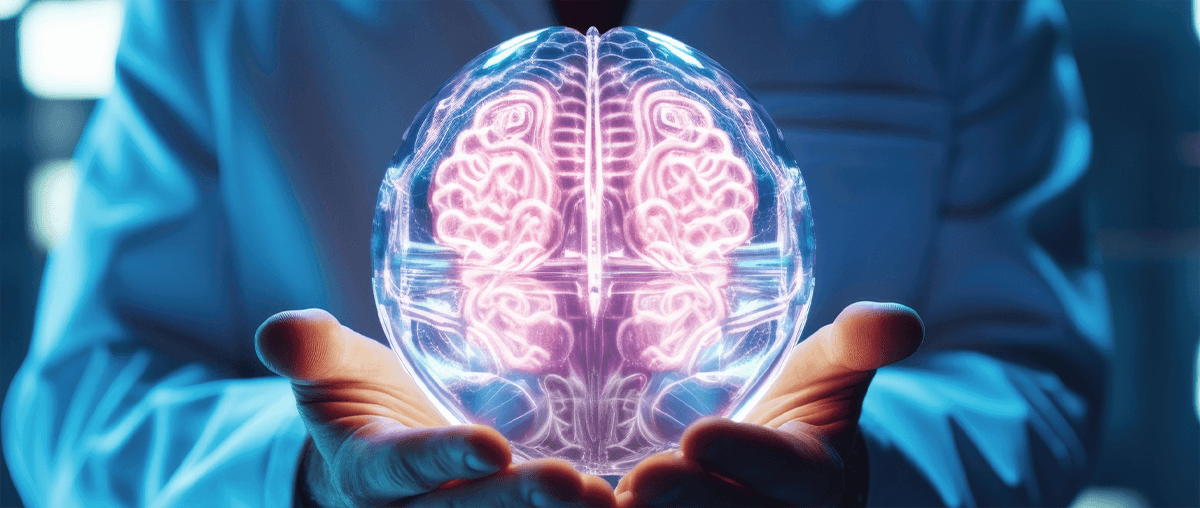

Neurosurgery Can Restore Life: Breaking Myths & Understanding Treatment
Written by PeerlessOne on 30-04-2026
Medically Reviewed by Dr. Asis Kumar Bhattacharya (MCH - Neuro Surgery)
Last Update on 04-07-2026
The incidence of cases requiring neurosurgical intervention is on the rise globally, and India is no exception. There is a rising concern about neurological trauma or, generally speaking, nervous system-related injuries, including head injuries, sustained in accidents. It is said that more than 60 per cent of these are caused by traffic accidents.
Then there are cases of non-communicable diseases like strokes, afflicting between 5 and 10 per 100,000 population and spinal degenerative diseases. In the last case, the need for surgical intervention is increasing by over 15 per cent annually – a figure that is quite alarming. The experience of the Neurosurgery Department at the Peerless Hospital, backed by the Peerless, is equipped with state-of-the-art medical infrastructure, also bears out the macro statistics. To understand the various aspects of neurosurgery in general terms, let us look up some of the more pressing issues from the patients’ perspective.
Areas Covered by Neurosurgery
Neurosurgery primarily covers three areas: the brain, the spine, and the peripheral nerves. In the brain, head injuries are very common, as are tumours, and then there are cases of different types of infections in the brain, some of which may require surgical interventions. Strokes are also a major area that is covered under neurosurgery, which again are of two types – haemorrhage and thrombo-embolism. This leaves us with fluid in the brain, which can be caused by infections or tumours. Such cases are mostly seen in children.
There are some cases in which tumours develop inside the orbit behind the eyeball, which also come under the purview of neurosurgery. Tumours in the region between the brain and the nose, such as the pituitary gland, are also looked into by this discipline.
With state-of-the-art infrastructure and specialized treatment, Peerless Hospital, one of the important segments of Peerless Group, successfully deals with such complex health issues.
Common Issues with the Spine and Misconceptions
In the spine, the common ailment is spondylosis. While 90 per cent of cases do not require surgery, in 10 per cent of cases, surgical intervention may be called for. Fractures affecting the spine are also an important area this discipline addresses – stable fractures may not always require surgery, while unstable fractures (fractures or ligament damage that risk further displacement and severe neural injury because the structure cannot support normal loads) may require immediate surgery. Stable fractures, when they put pressure on a nerve or nerves, disc prolapse (in the neck or waist), also call for an operation. It is important to note that there are misconceptions about the risk of surgery in these cases, and many prefer to avoid it. This preference may lead to huge complications later on. With the application of new technology, patients in most cases are made to walk within 48 hours from the day of surgery, belying the general apprehension about spinal surgery. It must be emphasised that neglected or untreated lumbar disc prolapse leading to Cauda equina syndrome may require urgent surgery. Here too, timely intervention is of utmost importance, though because of ignorance, patients often do not treat it with the urgency it deserves, leading to painful consequences.
Peripheral Nerve Disorder
In females, there is also the Carpal Tunnel Syndrome (CTS): a progressive ailment that results from continuous pressure on the carpal nerve in the wrist and leads to tingling sensation and pain in the wrist and fingers, which in some cases do not respond to medication and may therefore require a small surgery.
Understanding Strokes and Clearing Misconceptions
Now, let us get back to strokes. The first misconception is that strokes occur in the heart. They do not. It happens within the head. Strokes are of two types: haemorrhage and what used to be referred to as thrombosis (dangerous formation of blood clots within veins or arteries that obstruct blood flow) or embolism (a sudden, dangerous blockage of a blood vessel, artery, or vein, by a travelling substance like a blood clot, fat, air, or cancer cells).
Haemorrhage is mostly brought about by unchecked blood pressure, which again is due to hypertension in our country. The main culprit here is inadequate control of blood pressure, which can be treated very successfully by conforming to a strict regimen of medication. However, due to a number of factors, primarily relating to ignorance, we often see cases spinning out of control.
An aneurysm (an abnormal bulge or ballooning in a blood vessel wall caused by weakening in the wall) may lead to subarachnoid haemorrhage. Arteriovenous Malformation (AVM - an abnormal, typically congenital, tangle of blood vessels) is another cause.
Another area of concern is the unregulated, often unchecked consumption of medication by patients post-stenting. Such cases often lead to intra-cerebral haemorrhage, and it is advised that one keep in touch with the concerned cardiologist to avoid such an eventuality.
Cavernoma may also lead to intra-cerebral haemorrhage. Angiogram-negative subarachnoid haemorrhage (AN-SAH), a condition where a brain bleed occurs, but initial imaging fails to show an aneurysm or vascular malformation.
Sometimes tumours lead to haemorrhage in the brain. Then again in elderly patients, we have the microangiopathic disease (microangiopathy, or small vessel disease, is a disease of the microcirculation where small blood vessels are damaged, causing reduced blood flow and, in some cases, blood cell destruction).
In some cases, patients suffer from some genetic anomalies leading to blood clotting (like Haemophilia, Thrombocytopenic Purpura etc.) which calls for the intervention of a haematologist.
The other variety of stroke, which are brought about by rare reasons. Strokes may lead to paralysis of different limbs.
Tumours and Treatments
In cases of tumours within the head, it needs to be underlined here is that not all tumours are cancerous. There are different classifications of tumours, and each type calls for a specific type of treatment, which again depends upon the circumstances (read underlying pathology) of the particular case. Symptom producing tumours in the pituitary gland, in most cases, require surgery.
In children, we come across cases of aqueductal stenosis (the narrowing of the cerebral aqueduct that restricts cerebrospinal fluid flow), which may need surgery (Ventriculo-Peritoneal Shunt).
Injuries from Accidents
It must be understood that injuries sustained in accidents need to be addressed at the earliest possible time. Some injuries can only be effectively treated if the patient is taken care of within what is known as the golden hour. In case of injuries brought about by accidents, especially those relating to the spine, they may either need an operation or may be treated through medication and rest. Here too, the doctor’s opinion should be the last word, and socio-economic or commercial reasons should not be allowed to cloud the decision-making process.
Quality of Life After Neurosurgery
Now the last word. Though in majority of cases quality of life can be improved, and brought to near-normal, Neurosurgery may not re-create the same functionality that is provided by the Nature (or God, if you may). But the quality of life would be far better than those without treatment.
As for symptoms, no symptom should be ignored. The severity or the tenure of the symptom should raise red flags and it is always advisable that one seek medical guidance. The rule of thumb is any symptom that recurs for a week or more should be discussed with a medical practitioner.
Conclusion
Today, neurosurgery has come a long way as a highly advanced field that not only saves lives but also provides functionality to patients if dealt with at the right time. However, misconceptions about neurosurgery have led to worsening of such conditions that could have been dealt with effectively. With advanced infrastructure, expert medical professionals, patient-centric care at Peerless Hospital, with the trust that comes from associating with the legacy of Peerless Group, patients are assured of effective neurosurgery. Awareness, timely intervention, and trust in expert opinion are the key factors that ensure a better outcome for patients.
End words: Neurosurgery facilities at the Peerless Hospital are state-of-the-art, supported by highly trained interdisciplinary medical staff, and ensure that patients are provided with the best possible treatment to ensure optimum recovery.
Popular Searches
Peerless One | Peerless Hospital Kolkata | Hospital in India | Big Hospital in Kolkata | Multispecialty Care | Best Multispecialty Hospital | Best Hospital in Kolkata
You may also like
In a world driven by computers and AI, it is but natural that the technology would take over the operation theatres for improved outcomes.
Read More
Best Home Remedy for Low Blood Pressure
Jun 4, 2026Have you ever stood up from a couch and felt a sudden dizzying tilt? If yes, then worry not
Read More
There is a quiet revolution transforming the healthcare infrastructure scene in the North-Eastern states of the country, with Guwahati as its epicentre and Peerless Hospitals playing a key role in the metamorphosis.
Read More
Just having cancer is not enough to threaten mortality.
Read More
Paediatric surgery is different from general surgery primarily because paediatric surgeons have to deal with very small patients.
Read More