





Cancer is treatable and most cancers are curable
Solid cancer and different stages
In solid cancer, we assign four stages – Stages I to IV. In the first stage, it manifests itself as a small tumour in, say, the stomach. In stage two, it grows in size but stays confined within the stomach. If it grows beyond the stomach and infects nearby glands and organs, it is stage three. In stage four, it spreads through the blood to affect other areas of the body. Cancer treatment options may not be the same across these stages. And the cancer care protocols will also differ with complexities changing across the stages.
Stage Four is Metastasis
Stage four, theoretically speaking, is when Metastasis (the spread of cancer cells from the original tumour to other parts of the body sets in. It is the most lethal stage of cancer and is responsible for most cancer deaths) manifests itself. Here is a caveat, though. In some cases, even stage four cancer can be treated.
Cure possibilities at different stages of cancer
The possibility of a complete cure is the highest in stage one and thereafter it reduces progressively, though with the advancement of medical sciences, the overall clinical grip on this dreaded disease is increasing by the day. In some cases, at least, even stage four cancers can be cured.
In some cases, the gene mutations that lead to cancer may be indolent, which makes it easier to control. However, in stage four, as more mutations have also taken place in the cancerous cells, they may become more energetic, making it more difficult to control. There are intrinsic differences between the stages and calls for different protocols to be maintained in addressing them.
Cancer Types and Their Implications
Again, if one were to talk, for example, of lung cancer, one would have to talk about multiple types – broadly,
- Small Cell lung cancer (SCLC - a fast-growing, aggressive type of lung cancer that often spreads early to other parts of the body) and
- Non-small Cell lung cancer (NSCLC - the most common type of lung cancer, affecting the cells in the lungs)
Again, these too have their sub-categories. These, again, have different mutations that have been identified. We must remember that there can be neither blanket definitions and certainly nor a one-size-fits-all approach to treatment. However, given the intense research that is being carried on, every day, a new light is being shed on our understanding of this disease.
SCLC is very aggressive, with a high chance of progressing to the brain. NSCLC, on the other hand, is less aggressive, though in certain cases, it too may spread to the brain and, therefore, calls for precise treatment procedures.
In the South Asia region, for men, the most common cancer that afflicts is oral cavity cancer. This is triggered by the abuse of various tobacco-induced substances.
By the frequency of occurrence, the next in line are:
- lung cancer (this again is mostly caused by smoking),
- prostrate,
- stomach, and
- colon cancers.
You can Survive Cancer as Cancer Treatment Options are becoming Better
The demonising of cancer, however, must end. If detected in time, even lung cancer can be treated, leading to near-complete recovery with surgery and radiation therapies. Earlier, in stage four cancers, the survival rate was very low, depending mostly upon how well the patient reacted to the then all-inclusive chemotherapy. However, there have been huge advancements since those early years, and now a variety of treatments are available that aim to address specific ailments, leading to much better success rates.
To cite an example, in stage four Adenocarcinoma (a cancer that forms in glandular tissue, which lines many internal organs) especially among nonsmokers, with mutations like EGFR (epidermal growth factor receptor, a protein that helps cells grow) can be treated with medications with a median survival rate of about 4 years.
Again, in cases where we can detect targetable mutations, such as anaplastic lymphoma kinase (ALK), the survival rate with chemotherapy is poor. But with ALK inhibitors, the disease can be kept under control for over five years. Statistically, it is observed that in more than 60 per cent of cases, patients have survived for over 5 years without progression and are considered cured. This is found to be true even in the stage IV cases.
Preventive Steps
As for preventive measures,
- For any person who exercises moderately for 150 minutes in a week (25 minutes per day), as opposed to a sedentary lifestyle, the risk of cancer is reduced significantly.
- Vaccination is another preventive measure. The HPV vaccine can prevent cancers like cervical, anal and oropharyngeal cancers.
- Cessation of smoking.
- Abuse of alcohol can also lead to carcinogenic reactions, and its consumption lead to cancers like liver cancer.
- Charred proteins (like kebabs), which hold nitroso compounds (organic compounds that contain a nitric oxide group attached to an organic moiety They can be found in food, air, water, and cosmetics, and should also be avoided, as some nitroso compounds are known to be carcinogenic.
- Similarly, preservatives added in packaged foods are often carcinogenic and should be avoided.
It is wrong to make sweeping statements like animal protein is bad, though red meat, in some cases, has been associated with some forms of cancer, as it expels some cancer-fighting bacteria present in the gut, which calls for controlled exposure.
The essential idea here is to keep the immune system robust.
Cancer, except for a few, is now treatable with a very high probability of complete cure. Even in some cases of metastasis, patients can be made cancer-free. The key here is early detection and following up on treatment. Peerless Hospital has a speciality wing solely dedicated to cancer treatment.
You may also like
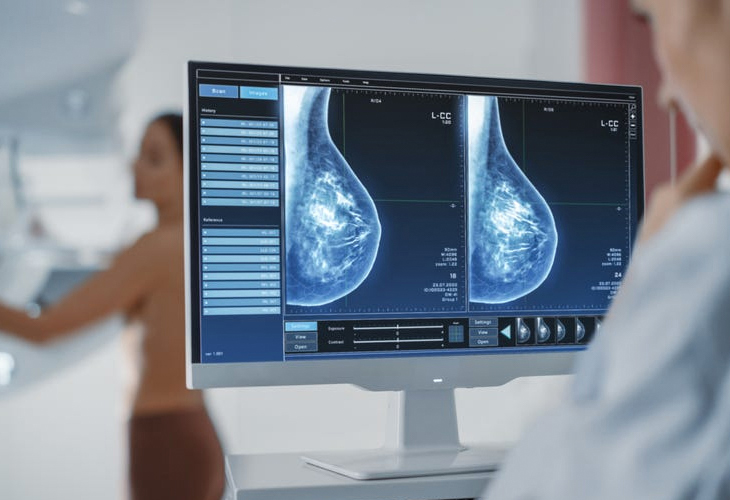
Despite revolutionary improvements in cancer treatment, this remains the most dreaded word for us. This is natural, as most patient parties are used to doctors informing them about how widely it has spread. We also know that the earlier the detection, the better the chances of a cure and survival. But despite the dread, we tend to ignore the steps that might take care of our apprehension.
Read More

From Aaheli’s Chef’s Corner: Panch Phoron Chhana
May 20, 2025In the heat of the summer, one pines for those mellow, less spicy foods on the table. And the traditional Bengali kitchen has a plethora to satiate a King’s feast in the summer.
Read More
Aaheli: Reviving Tradition with a Green Twist
Apr 30, 2025Sustainability is more than making the right noises about fossil fuels – it is a way of life for us in the Peerless Group.
Read More
It is said that the Mughal Emperor Akbar had the then-royal lunar Hijri calendar aligned with solar agricultural practices as recorded by the Fasholi Shan (Harvest Calendar). This led to the development of the Bengali calendar Bangabda, with the first day of the first month, Boisakh, heralding the beginning of a new year.
Read More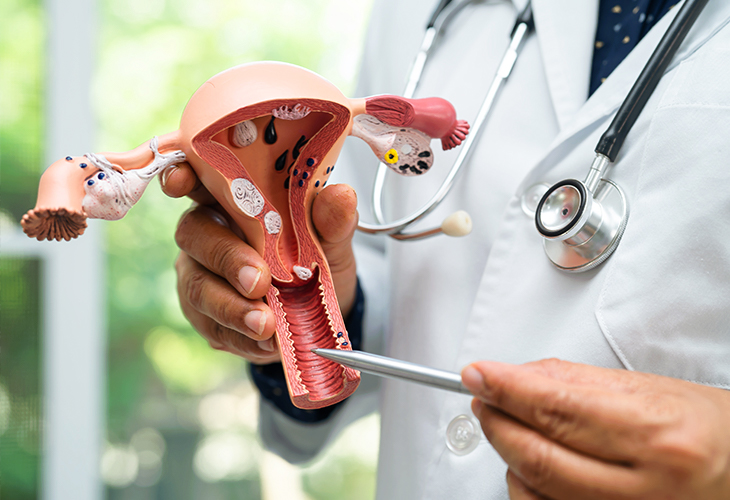
When thinking about the life-threatening consequences of smoking, lung cancer often comes to mind first. However, another serious yet lesser-discussed risk for male smokers is bladder cancer.
Read More