




Urine Examination Pus Cells What Your Test Result Really Means
Written by PeerlessOne on 03-09-2026
Medically Reviewed by Dr. Soumen Khamrui (DrNB - Nephrology)
Last Update on 03-09-2026
Table of Content
- Introduction
- What are pus cells in a urine test?
- What is the normal range of pus cells in urine examination?
- What causes high pus cells in a urine examination?
- Sterile Pyuria
- Symptoms to watch for
- Diagnosis — what happens after the urine test
- Treatment
- How to support urinary health alongside medical treatment
- When to see a doctor — red flag checklist
- Frequently asked questions
- Conclusion
Introduction
You have been asked by your doctor to get your urine tested, and the report indicates 8–10 pus cells/HPF. Is that dangerous?
The answer to this question is for a medical examiner to ascertain, but generally 0-5 pus cells is considered to be within the normal range. But if it is between 5 and 10, there is a chance of inflammation or infection, though this level is considered borderline. However, if it is above 10, it is considered significant.
What are pus cells in a urine test?
Pus cells in Urine are pyuria, which can be sterile or non-sterile pyuria. Sterile Pyuria means that the urine examination shows that there are pus cells in the urine, but in a urine culture, no presence of bacteria is detected. This can be because of any inflammation or autoimmune condition, or due to a prior history of antibiotic intake that can suppress bacterial growth during the culture. Non-sterile pyuria means that there are pus cells, as well as bacterial growth, or infectious growth in your urine. This is a significant condition and calls for immediate treatment.
What is the normal range of pus cells in urine examination?
Normally, it depends upon age and gender. Generally, less than 5 is normal in case of male patients. In case of females, it is up to 10. Above 10, it is significant in both cases. During pregnancy, sterile pyuria is common as hormones like progesterone relax the urinary tract, and the growing uterus presses on the bladder and ureters, slowing urine flow and allowing bacteria to multiply, which in turn leads to there being pus cells in the urine.
In case of females, pus cells can be up to 10, as there is a chance of contamination. During collection, the midstream clean catch urine has to be collected by spreading the vulva. The vulva region should be swabbed before collection, as otherwise the chance of contamination increases
What causes high pus cells in a urine examination?
High pus cells in urine examination can be due to infections either of the urinary tract or a sexually transmitted disease. Urinary tract infection again can be due to a bacterium like e coli, Pseudomonas etc. It can also be because of STDs like Chlamydia, Gonorrhea, trichomoniasis, and bacterial vaginosis. It can also be caused by infection in the kidney, like Pyelonephritis. In case of Diabetes Mellitus, there is a higher chance of Pyelonephritis. It can also be due to Prostatitis in case of males.
Other causes include Interstitial cystitis (painful bladder syndrome – an inflamed condition in the bladder that can produce pus cells).
Non-infectious causes are kidney stones, renal stones that can cause the stagnation of urine and obstructive changes which may lead to pus cells and RBC in the urine. Interstitial cystitis and autoimmune conditions like systemic lupus erythematosus (SLE) and Kawasaki disease and other conditions.
In Polycystic kidney disease there is a chance of urinary tract infection; cysts in the kidneys can also lead to a huge number of pus cells in the urine.
Other causes like bladder inflammation, bladder infection, bladder tumour, urinary tract tumour can also lead to pus cells in the urine in case of obstructions in the urethra or in the uro genital tract.
Medication induced sterile pyuria can be brought about by non-steroidal anti-inflammatory drugs (NSAIDs) like aspirin. It can also be due to the use of diuretics, which increases the volume of urine but may also lead to inflammation. Proton pump inhibitors, if used regularly can cause chronic interstitial nephritis which can also cause excess amount of pus cells in the urine. Penicillin group of antibiotics also lead to pus cells in the urine but no growth is detected in the culture.
Poor collection process, especially in case of women, clean catch urine should be collected. Swabbing the labia and spreading it is advised before collection. If the collection is not done properly, the chance of contamination and pus arises. This may be due to the presence of skin cells, vaginal discharge, etc leading to a false reading.
Sterile Pyuria
Sterile Pyuria is a condition in which there are pus cells and WBCs in your urine, but the culture shows no infectious agent or bacteria. WBCs are white blood cells and are a key part in our immune system. They help fight off infections, viruses and other diseases.
Now, sterile pyuria can happen with any viral infection or when antibiotics have been taken before the culture. It can also happen in case of Tuberculosis. In such cases, a Bactec culture is suggested. An acid-fast bacilli (AFB) culture can also be conducted.
Sterile Pyuria is also seen in autoimmune condition like systemic lupus erythematosus (lupus nephritis), Kawasaki disease, and sarcoidosis—caused by triggering of immune system inflammation in the kidneys or urinary tract.
Symptoms to watch for
Symptoms mostly occur in the lower urinary tract – burning sensation, pain during menstruation, groin pain or fever, chills and rigour. Frequent menstruation and incontinence (automatic passage of urine) are also considered symptoms. In case of urine, cloudy urine, foul smell in urine, or blood in urine are also red flags.
There will be no symptoms in case of pregnancy, But the condition has to be treated as in any condition where the patient’s immunity is low.
Diagnosis — what happens after the urine test
First urine analysis and complete blood count have to be done. A CRP test is also suggested. Urine culture and sensitivity testing are also required. A Bactec culture is suggested if TB is suspected.
In case of sterile pyuria, the PCR test is suggested; an AFB culture and STI panel are also recommended depending upon the symptoms. Ultrasound KUB or CT KUB are conducted to see if there is any Pyelonephritis. Emphysematous Pyelonephritis is kidney infection where gas-producing bacteria destroy the kidney tissue. Check must also be made for Xanthogranulomatous Pyelonephritis.
Blood culture is also resorted to often. Because in cases of UTI some bacteria can also penetrate into the blood.
Treatment
Do not self-medicate with antibiotics — antibiotic resistance worsens UTI treatment outcomes
Treatment procedures are different for different causes. In cases of sterile pyuria for males and non-pregnant women, or other immunocompetent hosts, no treatment is required. It is treated during pregnancy, as untreated it may lead to difficulties for mother and child.
In case of bacterial UTI, an antibiotic is prescribed based on the culture sensitivity report. The course is different in case of different types of bacteria and can vary between seven, 10 and 14 days.
In the case of Pyelonephritis, infection in the kidney takes a longer time. More often antibiotic therapy upto three weeks is recommended.
For STIs, if it is gonorrhoea, ceftriaxone is used, and for chlamydia, doxycycline is prescribed.
For kidney stone the first thing to be ascertained is whether the stone is in the renal calyces or in the ureter. The size of the stone is also important. If the size is less than 9 and the stone is in the calyces, then there is a chance that the stone will move through the ureter. Hydration is prescribed as stones are formed by the urine getting supersaturated. Some medication is also administered.
In case surgical procedure like Shock Wave Lithotripsy (breaking stones with sound waves from outside the body), Ureteroscopy (reaching stones with a thin scope through natural urinary pathways), and Percutaneous Nephrolithotomy (removing large stones through a small cut in the back) is required, it should be conducted.
How to support urinary health alongside medical treatment
Prevention, they say is better than cure. Hydration is a must. Dehydration leads to the urothelium getting inflamed or infected. Maintenance of proper hygiene is also highly recommended. In case of females the urethra is just a few centimetres away from the anal canal; if proper hygiene is not maintained, there is a high chance of infections. In case of males, a strict watch should be maintained for smegma and for any fungal or bacterial infection.
Cranberry juice helps prevent the attachment of different bacteria in the urothelium. Probiotics like Lactobacillus are also recommended as they prevent several vaginal infections.
Caffeine, like coffee, alcohol, or other acidic foods, should be avoided. Safe Sex, such as the use of condoms,is highly recommended.
In case of pregnant women, surveillance should be high, especially frequent urinary testing is recommended as in case of asymptomatic conditions, the condition may not be immediately detectable
When to see a doctor — red flag checklist
- Pus cells >10/HPF with fever, chills, or back pain
- Symptoms persisting after completing antibiotic course
- Recurrent UTIs (>3 per year)
- You are pregnant with any elevated pus cell count
- Blood in urine alongside elevated pus cells
- Child with elevated pus cells and any fever
Frequently asked questions
Is 2–3 pus cells in urine normal?
Yes, within normal range for most adults
What does 8–10 pus cells/HPF mean?
Likely active infection; see a doctor
Can pus cells in urine go away on their own?
Mild cases may; active infection needs treatment
What if I have pus cells but no symptoms?
Asymptomatic pyuria — needs investigation, especially in pregnancy
Can pus cells occur without a UTI?
Yes — sterile pyuria, from medications, stones, autoimmune causes
Can diet affect pus cells in urine?
Indirectly — hydration, cranberry, hygiene matter
How soon do pus cells clear after antibiotics?
Usually within 3–7 days if correct antibiotic
Conclusion
Any deviation from routine urine habits should call for immediate medical consultation as it may indicate an onset of a host of ailments, from being minor to serious. Any attempt to self-medicate is not only dangerous but also may complicate the existing ailment. There could also be cases in which the urine test report may need to be read with other pathological test reports to ascertain certain things that generally may be required to determine the treatment. The Peerless Hospital of the Peerless Group, by bringing all treatment facilities under one roof, may be recommended for consultation as all the test facilities are available here and a patient will need to run from one diagnostic centre to another to get the tests done.
You may also like

In India, the lack of adequate haemoglobin in blood, especially among women and children are so severe that public health experts deem it to be a crisis
Read More
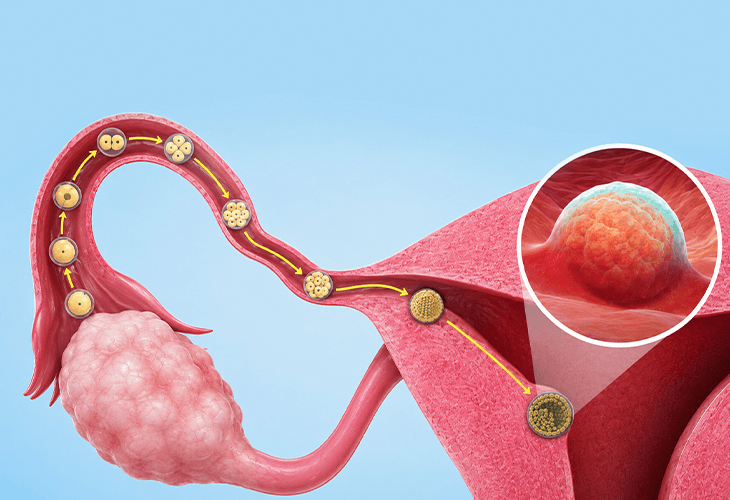
Fallopian tube blockage or tubal factor infertility is believed to be responsible for anywhere between 25 and 35 per cent of female infertility cases in India.
Read More
Creatine Phosphokinase-Muscle Band or CPK-MB test is a pathological examination done by drawing blood from a patient’s vein suspected to have had myocardial infarction, commonly called a heart attack
Read More
The incidence of bulky uterus, with uterine fibroids being the leading cause, is a global concern.
Read More
Hyperuricemia or elevated uric acid strikes one in every five adults globally, and one in every four in India, and the level can be determined through a blood test.
Read More