


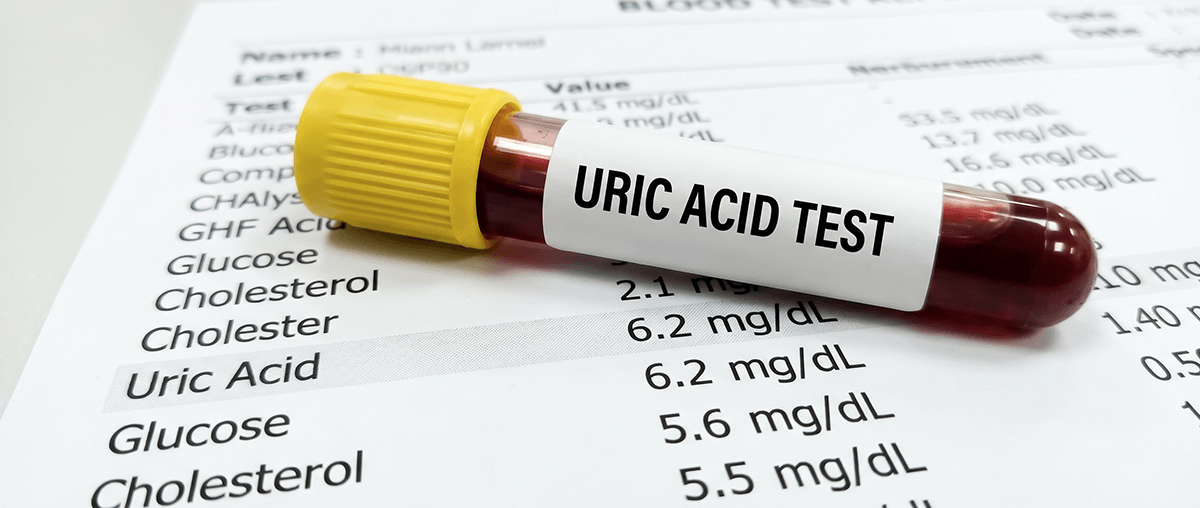

What uric acid level is considered dangerous for adults?
Written by PeerlessOne on 27-07-2026
Medically Reviewed by Dr. Anupam Maity (MD - General Medicine)
Last Update on 27-07-2026
Table of Content
- Introduction
- What is Uric Acid and Why it Matters
- Symptoms
- Dangerous level
- Risk Factors
- Test
- Dietary Significance
- When to consult a doctor
- FAQ
- Conclusion
Introduction
Hyperuricemia or elevated uric acid strikes one in every five adults globally, and one in every four in India, and the level can be determined through a blood test. While the affliction is gender neutral and affects men and women alike, the clinical manifestation into gout is largely seen among men. Premenopausal women are at lesser risk for hyperuricaemia.
At that age group females are not generally affected. However, its count in blood or the degree of elevation cannot be taken as high without looking into its probable cause. However, if it shoots above seven, one should seek the opinion of a doctor.
What is Uric Acid and Why it Matters
Uric acid is a metabolite produced from nucleic acids. They are generally excreted through urine, but when the uric acid level increases, different symptoms, indicating different ailments, manifest.
Uric acid in the body can primarily increase in two ways – increased production or decreased excretion. Uric acid increases through diet or through tumour burden in the body brought about by haematological or solid organ malignancies. Lower excretion is brought about either by genetic factors, is drug induced or kidney issues.
Thus, for patients with high uric acid levels, it has to be ascertained whether they are overproducers or underexcretors.
Uric acid levels are checked, and if they are asymptomatic with uric acid under 8, patients have nothing to worry. If it is between 7 and 8, patients are advised regular monitoring to ensure that the levels remain under check.
Symptoms
Patients with High Uric Acid levels generally have two types of symptoms – joint symptoms and urinary symptoms or renal symptoms. Renal symptoms manifest in the formation of stones in the kidney or in the urinary tract. Joint symptoms lead to gout, or gouty arthritis. It is a painful condition with swelling of the joints and redness. They are predominantly found in the base of the great toe, but in some cases, multiple joint involvement can happen.
In case joint symptoms are suggestive of gout or Uric acid arthropathy, then irrespective of uric acid levels, the patient should be brought under treatment.
In renal issues – first is the renal parenchyma and then the urinary tract. If urate stones form in the urinary tract, then definitely the patient is an overexcretor, as in under excretor, urate stones do not form. In such cases, the level of uric acid is ascertained, and the features leading to high production, the diet is checked.
Dangerous level
In case of symptomatic patients, whatever may be the value, it has to be ascertained and treated. In asymptomatic patients, at levels of more than 8, a low-threshold treatment is prescribed. At more than 10, treatment is a must. In cases with pre-existing kidney disease, the level rarely goes beyond 13, and within that range, treatment should proceed as per established medical protocols.
Risk Factors
In general, hyperuricemia or raised uric acid predominantly follows a metabolic syndrome, that is Diabetes, Dyslipidemia, Obesity, hypertension, and related diseases. All are independent risk factors for cardiovascular mortality and morbidity. In case of metabolic syndrome or the existence of the aforesaid diseases, a search for hyperuricemia (having abnormally high levels of uric acid in the blood) is called for.
Premenopausal females are generally less prone to hyperuricemia. Post-menopause, the risk of hyperuricemia is almost the same among males and females.
Test
The recommended test is the Serum Uric Acid Level. However, to test whether the patient is an underexcretor or not, the 24-hour urate level / uric acid level test has to be conducted.
Dietary Significance
Nucleic acid-rich foods produce uric acid. Sea fish, red meat, alcohol, smoking, and cold drinks (aerated drinks) should be strictly avoided. It is a myth that spinach, pulses, etc increase uric acid. Taken within limits, they are not harmful. If, for example, a person takes two kgs of spinach per day, it will be harmful.
When to consult a doctor
A patient should consult a doctor when there are features of a renal stone, that is acute groin pain, retention of urine, or there is acute arthritis without any history of chronic arthritis.
FAQ
Is 7.5 mg/dL uric acid dangerous?
7.5 mg/dl is not at all dangerous if it is asymptomatic. However, regular checkups are recommended along with dietary modification.
What uric acid level causes gout?
There is no specific value above which gout can occur. However, higher levels of uric acid increase the chances of gout.
Can you have high uric acid without gout?
Definitely. Most patients with hyperuricemia do not have gout.
Is uric acid of 9 mg/dL an emergency?
In asymptomatic cases it is not an emergency situation. In symptomatic cases it may be an emergency. In cases of presence of tumours etc in the body, there may be complications, so it has to be properly evaluated.
How quickly can uric acid levels change?
Not relevant. As it is difficult to ascribe a definite time value to the change due to the varied underlying causes
Does high uric acid affect the heart?
Generally, there is no direct link, but hyperuricemia is related to metabolic syndrome and is an indirect marker that a person may have heart disease.
Conclusion
A uric acid count shooting up and beyond 8 definitely calls for a visit to a doctor. However, given the fact that the underlying causes are varied, it is difficult to clearly specify a list of do´s and don’ts. But a healthy and regular lifestyle, as diet plays a crucial role in general cases, needs to be followed in order to keep a probable attack of elevated uric acid at bay. The dietary restrictions for a healthy person is the same for maintaining a regular lifestyle. But if the uric acid level is elevated, the diet as advised by the doctor needs to be followed. Giving up specific foods, for example spinach, without competent medical advice may compromise nutritional needs and create other complications.
Peerless stands for an impeccable legacy of excellence, quality, and service, which continues to instil confidence among all the various companies that come under its banner. As an integral part of this undisputed legacy, healthcare is provided by the Peerless Hospitals of South Kolkata, Barasat, and Guwahati. In such healthcare institutes, skilled professionals, state-of-the-art diagnostic equipment, and holistic care for patients go hand-in-hand for proper diagnosis, treatment, and well-being.
You may also like
In India, the lack of adequate haemoglobin in blood, especially among women and children are so severe that public health experts deem it to be a crisis
Read More
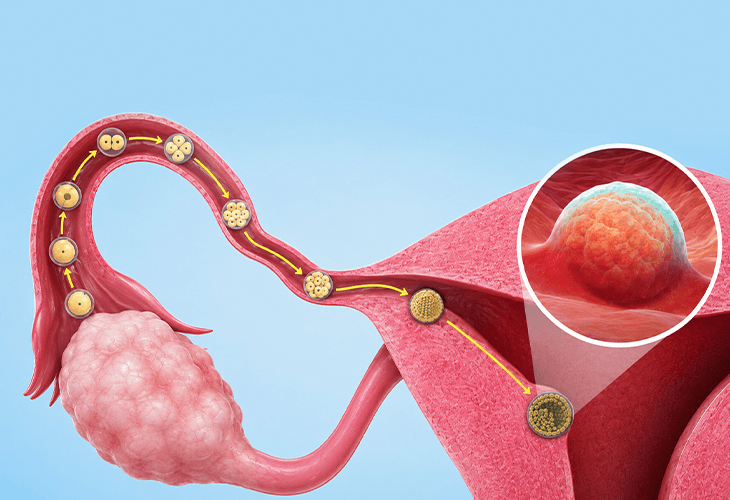
Fallopian tube blockage or tubal factor infertility is believed to be responsible for anywhere between 25 and 35 per cent of female infertility cases in India.
Read More
Creatine Phosphokinase-Muscle Band or CPK-MB test is a pathological examination done by drawing blood from a patient’s vein suspected to have had myocardial infarction, commonly called a heart attack
Read More
The incidence of bulky uterus, with uterine fibroids being the leading cause, is a global concern.
Read More
Kidney disease hydronephrosis is a disorder wherein one or both kidneys swell due to the accumulation of urine
Read More