


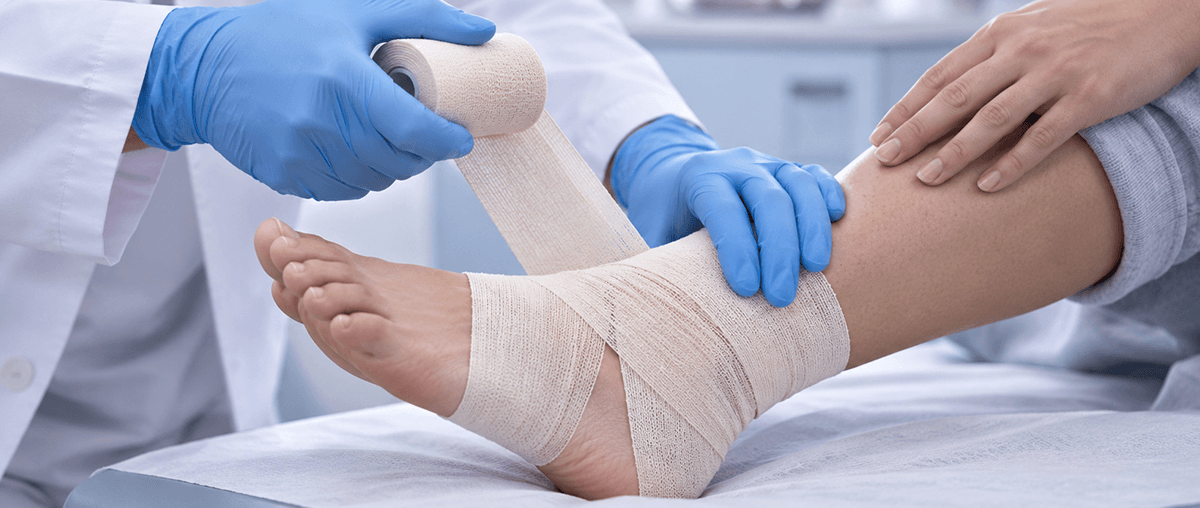

What is hairline fracture? Symptoms, Causes & Treatments
Written by PeerlessOne on 14-10-2026
Medically Reviewed by Dr. Debashis Maji (DNB - Orthopaedic Surgery)
Last Update on 14-10-2026
Table of Content
- Introduction
- What is Hairline Fracture?
- Types of Hairline Fractures by Location
3.1 Foot Hairline Fracture
3.2 Tibia Hairline Fracture
3.3 Fibula Hairline Fracture
3.4 Hip or Femoral Neck Hairline Fracture
3.5 Hairline Fracture Lower Back
3.6 Hairline Fracture of Wrist
3.7 Hairline Fracture in Heel (Calcaneus) - High-Risk vs Low-Risk Hairline Fractures
- Symptoms of a Hairline Fracture
5.1 1. Localized Pain Intensifying with Movement
5.2 2. Persistent Pain Even at Rest
5.3 3. Swelling and Inflammation
5.4 4. Sensitivity to Touch
5.5 5. Slight Bruise on Affected Body Area
5.6 6. painful Joint Movements
5.7 7. Pain When Walking or Standing - Early vs Late-Stage Symptoms
6.1 Early Warning Signals
6.2 Later Signs - What Does a Hairline Fracture Feel Like?
- Causes and Risk Factors
8.1 Main Causes
8.2 Stress caused by:
8.3 Increased Exercise Load
8.4 Wrong Footwear
8.5 Training Grounds That Are Hard
8.6 Premature Return to Exercise
8.7 Risk Factors
8.8 Osteoporosis
8.9 Poor Nutrition
8.10 Flat Feet or High Arches
8.11 Obesity
8.12 Female Athlete Triad - Hairline Fractures in Children
9.1 Causes - Hairline Fractures in Elderly Patients
- Hairline Fracture vs Regular Fracture - Comparison
- Hairline Fracture vs. Bruised Bone
- How Is a Hairline Fracture Diagnosed?
13.1 Physical Examination Methods
13.2 Hop Test
13.3 Fulcrum Test
13.4 Imaging Tests - Treatment of Hairline Fracture
14.1 Conservative (Non-Surgical) Treatments
14.2 2. Immobilization and Casting - Alternative Therapies and Do-It-Yourself Treatment
15.1 RICE Treatment
15.2 What NOT to Do at Home
15.3 Diet for Bone Healing - Recovery Timeline & Outlook
16.1 Healing Timeframes by Location
16.2 Factors Affecting Recovery Speed - Complications of Untreated Hairline Fractures
17.1 Neglecting signs can result in: - Prevention Strategies
18.1 Training and Lifestyle Prevention - FAQ Section
- Conclusion
Introduction
Hairline fracture is the term used to describe a minor breakage of the bones due to repetitive strain. Stress fracture or fracture hairline can be identified in such areas as the feet, tibia, hips, wrists, and spine. Pain increases when there is any kind of activity.
What is Hairline Fracture?
A runner ignores a slight pain in his foot during exercise. A dancer considers the pain in her shin as muscle ache. An office worker feels pain in the wrist for weeks due to overwork but still continues doing work despite the pain. It is often seen that individuals brush off their early signs of pain only to realise that they are unable to walk, climb up stairs or stand comfortably. This minor pain might have been a minor crack in the bone.
It is imperative to understand what hairline fracture means because this condition might get worse without proper treatment. While a normal fracture refers to a situation when the bone is completely broken, a hairline fracture is a small crack on the bone.
The term “hairline fracture” is derived from the appearance of this fracture when viewed on an image. The crack usually looks as small as a piece of hair. Some other names for hairline fractures are the following:
- Stress fractures
- Fatigue fractures
- Small bone cracks
Stress fractures make up almost 20% of sports-related injuries. Stress fractures occur in athletes, dancers, and people with weak bones.
In today’s day and age, we at Peerless Hospitals under Peerless Group are continuing to help promote awareness regarding early detection of symptoms, bone health, and orthopaedics. With the help of healthcare efforts by us, patients are now encouraged to detect symptoms early rather than overlook pain.
Types of Hairline Fractures by Location
Hairline fractures can develop in different bones depending on physical activity, age, bone strength, and lifestyle habits.
Foot Hairline Fracture

Hairline fractures in the feet are the most prevalent types of fractures, particularly amongst runners. Metatarsals are the bones in the foot that endure repetitive shock when walking, jogging, or jumping.
Groups Most Likely to Develop It
- Runners
- Dancers
- Basketball players
- Those wearing incorrect shoes
What Are Its Complications?
Most foot hairline fracture is treatable by rest, but neglecting the hairline fracture foot symptoms could increase the risk of further cracking.
Tibia Hairline Fracture

Stress fractures commonly occur in the tibia bone in athletes and those serving in the armed forces.
Symptoms
- Shin pain during physical activity
- Tenderness of the shin bone
- Exacerbated pain when running
Risk Level
Typically low risk if caught early on.
Fibula Hairline Fracture

The fibula is the smaller bone that lies adjacent to the tibia. Stress fractures may occur from repeated impact activities.
High-Risk Groups
- Long-distance runners
- Footballers
- Athletes who train on hard surfaces
Hip or Femoral Neck Hairline Fracture

Hairline fractures on the hip or femoral neck are considered more severe and require immediate medical treatment.
Reasons Why This Condition Is Dangerous
If left untreated, the crack can eventually develop into a full-blown fracture.
Occurs Mostly In
- The elderly
- Individuals suffering from osteoporosis
- Marathoners
Hairline Fracture Lower Back

Lower back hairline fractures are common in the lumbar vertebrae. This condition is usually seen among gymnasts, cricket bowlers, and sportsmen who twist their bodies repeatedly.
Symptoms include
- Pain during motion
- Stiffness
- Pain following any activity
Hairline Fracture of Wrist

A hairline fracture in wrist injuries is usually caused by repetitive stress or from falling.
Typical in
- Gymnasts
- Tennis players
- White-collar jobs requiring repetitive stress
Hairline Fracture in Heel (Calcaneus)

The heel bone supports body weight while running and walking.
Possible Causes
- Sudden increase in workout intensity
- Too much jumping exercises
High-Risk vs Low-Risk Hairline Fractures
All hairline fractures do not possess the same degree of danger.
| Low-risk Fractures | High-risk Fractures |
| Foot/metatarsal | Femoral neck |
| Tibia | Hip |
| Fibula | Navicular bone |
| Heel | Certain spinal fractures |
A high-risk fracture is more inclined towards turning into a complete fracture.
Symptoms of a Hairline Fracture
Identification of hairline fracture symptoms early helps prevent any complication.
1. Localized Pain Intensifying with Movement
Pain usually starts when you engage in physical activities and eases up during rest.
Such pain includes:
- Foot pain while running
- Wrist pain while carrying things
2. Persistent Pain Even at Rest
When the fracture becomes worse, pain persists even when sitting and lying down.
It is an indication of the worsening of the injury.
3. Swelling and Inflammation
There will be slight swelling near the fracture site.
4. Sensitivity to Touch
If you apply direct pressure on the affected bone, you will experience intense pain.
5. Slight Bruise on Affected Body Area
In some cases, patients notice a bruise on the injured part.
6. painful Joint Movements
Joint movements may become hard and painful.
7. Pain When Walking or Standing
Those with foot hairline fractures walk with a limp.
Early vs Late-Stage Symptoms
Early Warning Signals
- A dull pain while exercising
- Mild pain following the physical activity
- Improvement in pain with rest
Later Signs
- Severe, constant pain
- Swelling
- Pain when walking/standing
- Weight-bearing pain
What Does a Hairline Fracture Feel Like?
The description of hairline crack by patients is normally as follows:
- A dull throbbing pain
- Pointed pin-prick sensation
- Increasing pain during the course of the day
- Deep pain within the bone
As compared to muscle pain, bone pain tends to be localized.
Causes and Risk Factors
Being aware of the causes of hairline fracture will help avoid injuries in the future.
Main Causes
Impact Activities Repeatedly
Stress caused by:
- Rigorous running
- Jumping
- Dancing
- Sports training
may gradually result in weakened bones.
Increased Exercise Load
Sudden overload of exercise without adequate rest period is a very common reason.
Wrong Footwear
Wearing shoes that provide inadequate cushioning/support.
Training Grounds That Are Hard
Exercises performed on concrete/ hard courts may cause greater load on bones.
Premature Return to Exercise
Going back to sports too soon after recovery is dangerous.
Risk Factors
Activities and Sports
Higher-risk sports are:
- Basketball
- Running
- Gymnastics
- Tennis
- Dance
Osteoporosis
Bones are weaker and more prone to forming small cracks when under stress.
Poor Nutrition
Lack of sufficient calcium or Vitamin D causes weak bones.
Flat Feet or High Arches
Poor posture leads to improper stress distribution on bones.
Obesity
Increased body weight causes additional stress on bones.
Female Athlete Triad
The condition is made up of three main elements:
- Low energy availability
- Menstruation abnormalities
- Decreased bone mineral density
Hairline Fractures in Children
Stress fractures may occur among children who participate in rigorous sports training since their bones are not fully developed.
Causes
- Early specialization in sport
- Overtraining
- Impact activity
Hairline Fractures in Elderly Patients
Insufficiency fractures can arise from older people suffering from osteoporosis.
The fracture results when weak bones crack from normal activities.
Hairline Fracture vs Regular Fracture - Comparison
| Feature | Hairline Fracture | Complete Fracture |
| Bone damag | Small crack | Full break |
| Pain | Mild to moderate initially | Severe |
| Swelling | Mild | Significant |
| X-Ray visibility | Often missed early | Usually obvious |
| Treatment | Rest / Immobilisation | Often requires casting or surgery |
Hairline Fracture vs. Bruised Bone
Unlike bone fractures, bruised bones damage the inside bone tissues without causing any crack in the bone. The term "hairline fracture" denotes the existence of a crack in the bone tissue.
Bone bruises take less time to heal compared to fractures.
How Is a Hairline Fracture Diagnosed?
It is vital that the injury be diagnosed because a number of hairline fractures remain undetectable at their early stage.
Physical Examination Methods
Doctors use several physical examinations, such as:
- Point Tenderness Test
- Applying pressure to the painful place can localize the point of pain.
Hop Test
Hopping on one foot can worsen pain in the case of leg or foot fractures.
Fulcrum Test
The method is used to diagnose injuries to the femur.
Imaging Tests
- X-Ray
X-rays are usually performed at first.
Useful Information for the Patients
Hairline fractures will not show up in X-rays since the crack is invisible at this point.
- MRI
MRI is considered to be the most precise method of diagnostics since it detects even tiny cracks within days after symptoms occur.
In case of normal X-rays but the constant feeling of pain persists, you should have an MRI performed.
- CT scan
It offers detailed pictures of bones and evaluates more complicated fractures.
- Bone Scan
Bone scanning indicates stress injury of the bones.
Treatment of Hairline Fracture
Management of hairline fracture involves the following factors:
- Location of the fracture
- Severity of the injury
- Age of the patient
- Strength of the bones involved
Conservative (Non-Surgical) Treatments
Most hairline fractures are expected to heal without surgery.
Rest and Reduced Activities
Limiting the activities that exert strain on the bone is crucial.
Application of Ice Packs
Ice should be applied for:
- 20 minutes
- Three to four times daily
Raising the Affected Area
Elevating the affected area is helpful in preventing swelling.
Pain Relief Medication
Medications used could be:
- Paracetamol
- Minimal use of NSAIDs
According to some studies, excess use of NSAIDs slows down bone healing.
Calcium and Vitamin D Supplements
These promote the healing process.
2. Immobilization and Casting
Common patient question: Does hairline fracture require casting?
This will depend on the site and seriousness of the injury.
Rest alone will suffice for:
- Minor injuries to feet
- Minor tibial injuries
- The need for casting/booting includes:
- Severe pain
- Weight-bearing difficulties
- High-risk fracture cases
Immobilization time period:
6-8 weeks
Surgery
Surgery becomes inevitable in some fractures, especially when the area is under high-risk.
Internal fixation
Doctors may apply:
- Nails
- Screws
- Plates
to stabilize the bones.
Typically operated areas
- Femoral neck
- Navicular bone
Recovery from Surgery Procedure
Slow recovery avoids re-injury.
Process:
- Rest
- Gentle movements
- Low-impact exercise
- Sport-specific exercises
- Back to full activity
Alternative Therapies and Do-It-Yourself Treatment
RICE Treatment
- Rest
Avoid any activity causing pain.
- Ice
Use an ice pack:
For 15-20 minutes
Several times a day
- Compression
Binding may aid in minimising swelling in some areas.
Lift the affected body part above heart level while at rest.
What NOT to Do at Home
Don’t:
- Ignore pain
- Play sports
- Use heat immediately following the injury.
- Diagnose on your own without medical consultation
Diet for Bone Healing
Healthy bone recovery requires good nutrition.
- Healthy Foods
- Milk and dairy products
- Eggs
- Fishes
- Nuts and seeds
- Vegetables rich in leaves
- Protein
- Vitamin D, Calcium, Protein aid bone repair.
Recovery Timeline & Outlook
Hairline fracture recovery time varies by place of fracture.
Healing Timeframes by Location
| Location | Average recovery time |
| Foot/metatarsal | 4–8 weeks |
| Tibia | 6–10 weeks |
| Hip/femoral neck | 6–12 weeks |
| Spine/lower back | 8–12 weeks |
| Wrist | 4–8 weeks |
Factors Affecting Recovery Speed
Factors for successful healing include:
- Age
- Bone density
- Proper nutrition
- Conforming to rest
- Severity of the fracture
Complications of Untreated Hairline Fractures
Neglecting signs can result in:
- Complete fracture
- Delay in healing
- Nonunion
- Chronic pain
- Death of bones due to lack of blood supply in hip fractures
It is important to get an immediate checkup by a health specialist.
We at Peerless Hospitals and through PeerlessOne keep encouraging people about early orthopaedic evaluation through healthcare programmes.
Prevention Strategies
Stress fractures can be prevented by following an ideal training programme, good nutrition, and bone protection techniques.
Training and Lifestyle Prevention
10% Rule
Training should be increased slowly rather than abruptly.
Cross Training
Perform exercises to avoid repetitive strain to the same area.
Rest
Bone repair depends on having sufficient rest periods.
Warm-Up and Exercise Conditioning
A proper warm-up and muscle conditioning reduce shock.
Footwear and Gear
Use:
- Sport-Specific Footwear
- Right arch support
- Orthotics if needed
- Replace old footwear.
Nutrition Prevention
- Calcium
- Adults usually need
- 1000–1200 mg of calcium per day
Vitamin D
Helps with the absorption of calcium in bones.
No Nutrition Limitation
Bones weaken without proper nutrition.
FAQ Section
How long does a hairline fracture take to heal?
Typically, the healing period of hairline fractures is between four weeks and three months, depending on several factors such as the affected bone, the person’s general health, nutrition, and other issues.
Can a hairline fracture heal on its own?
Generally, hairline fractures tend to be self-healing in nature when provided with proper treatment. Nevertheless, neglecting the injury might cause further aggravation of the condition.
Is it dangerous to have a hairline fracture?
Fractures can be minor at first but may become severe if not treated promptly due to lack of adequate immobilisation. For instance, those occurring in risky areas such as the hip bone or femoral neck tend to turn into complete fractures after neglecting treatment and care in a timely manner.
How will I know if I have a hairline fracture?
Symptoms of a hairline fracture include dull or sharp pain in the affected area. Pain may progressively grow and even cause pain when one is at rest in more severe cases.
Will an X-ray show a hairline fracture?
It is possible that your hairline fracture will remain undetected using this form of diagnostic test.
Does hairline fracture need plaster?
No, since not all hairline fractures would require casts; rather, other types of treatment, such as wearing a cast and/or a walking boot, might become necessary, depending on where the hairline fracture occurs.
What is the difference between hairline fracture and stress fractures?
None whatsoever, since "hairline fracture," "stress fracture," and "fracture hairline" are popularly used terminologies when describing small cracks in the bone as a result of over-stress or overuse.
Can stress fractures heal without taking enough time to rest?
Yes, rest is very crucial at this point, and participating in various activities will only add further stress to the fractured bone, making it hard to heal.
Conclusion
By learning about hairline fracture, one can detect early symptoms and prevent further complications from occurring. Hairline fracture in the foot and even hairline fracture in the lower back, among other areas, should never be taken lightly despite the minimal pain one might experience initially.
Early detection, adequate rest, and the right medical attention are crucial in helping someone recover. Regardless of whether it occurred due to sports injuries, repetitive strain, osteoporosis, or overuse, early detection of the condition is key in avoiding future problems.
We at Peerless Hospitals remain committed to providing their patients with relevant health information concerning orthopaedic treatment.
You may also like
Which Doctor to Consult for Headaches?
Oct 7, 2026The headache is one of the most frequently reported medical conditions by many individuals looking for professional help
Read More
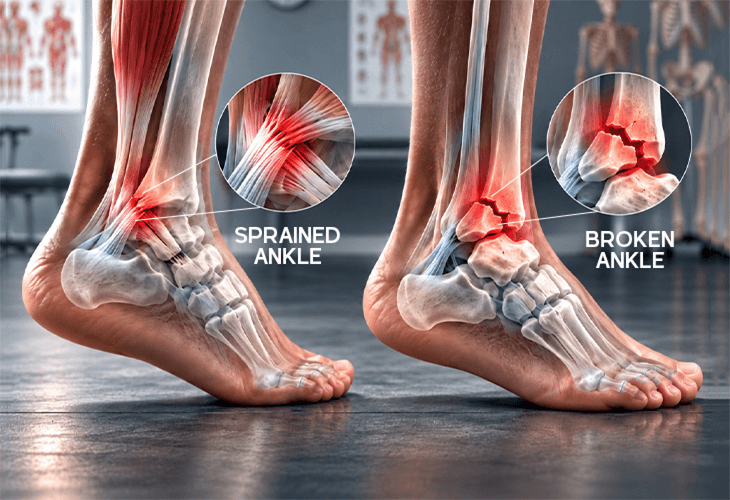
The exact statistics of ankle injury are difficult to get, but it is estimated that of all the trauma cases, about 10 per cent in general hospitals are related to the ankle.
Read More
Medical emergencies do not allow much time for making decisions; hence, the need to know the right hospital even before an emergency arises.
Read More
The Indian Society for Blood and Marrow Transplantation (ISBMT) has collated cases of over 26,800 total procedures performed across more than 110 specialised transplant centres and calculates about 60 to as high as 95 per cent depending on the disease, donor match quality, and transplant type.
Read More
You have been asked by your doctor to get your urine tested, and the report indicates 8–10 pus cells/HPF
Read More