



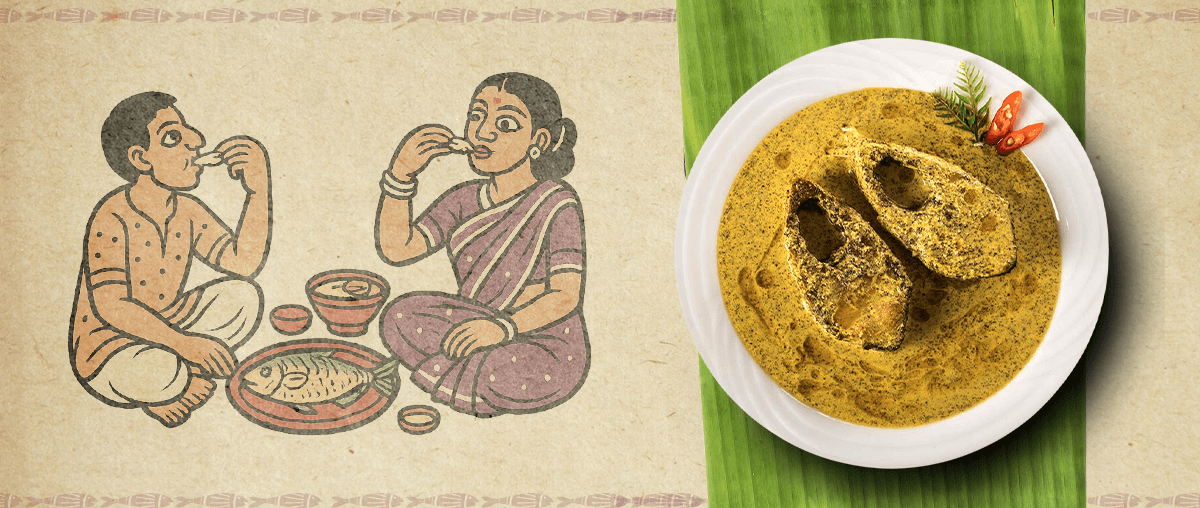

Ilish Festival in Kolkata: A Must-Visit
It is no less than a grand symphony in which begins with the Hilsha fish (Tenualosa Ilisha) making a long and arduous journey from the Bay of Bengal to its spawning grounds in the freshwater rivers. The people of Bengal have, over millennia, celebrated this migration, turning it into a culinary extravaganza of epic proportions, weaving this gastronomic pageant into their very socio-cultural ethos. A spectacle that reaches its crescendo at Aaheli, where true to its name (Aaheli is derived from the Arabic word Aahel, which means authentic), spreads a delectable fare that is as much an epicurean delight as it is a celebration of Bengali ashmita (self-respect) and sr̥janaśīlatā (creativity) in its myriad nuances.
It is not the Hilsha alone that is the star of the show, but the way it is cut, cooked, and presented; the ingredients that accompany it to embellish it with just the right hint of almost mystic tones; the preparation techniques that were passed down the generations of ladies who had elevated them to states of surreal fantasies. Techniques that our chef at Aaheli collects, curates, and seeks to communicate to you through the hilsha dishes that he magically concocts. Take the Uttarpara Ilish Cutlet for example, a recipe that has been collected and curated from the misty memories of grandmothers and recreated with the finesse worthy of a maestro. The dish is location-specific, for only when the fish swims such a distance upstream that it develops nuances in the flavour that are hard to find in Hilsas netted near the mouth of the delta. However, this is not to say that at Aaheli, the served fare is only exotic – it also serves the standard Ilish dishes that the Bengalis swear by, like Bhapa Ilish (steamed hilsha) and myriad dishes that are an ode to the art of cooking ilish in its own flavourful oil (Ilished tel).
The Ilish Porbo (Hilsha Episode) at Aaheli is no ordinary food fest. It is not a hastily put together jamboree of Hilsha dishes aimed at overwhelming the uninitiated with dollops of exotica either. It is a carefully orchestrated symphony where every instrument – be that the sourcing of the purest of ingredients (mostly Padmar Ililsh), or the almost clinical precision of the pairings (about 25 kgs of Hilsha are consumed every day during the festival, each piece cut to perfection to weigh just right), or the strict adherence to age-old traditions – plays its part, leading to an ovation. The star of the show, of course, is the Roshun-Narkol-diye Ilish, in which the unique flavour of the fish is challenged and complemented simultaneously by an eclectic mix of coconut and garlic. Like they say, a unique Jugalbandi. Similar is the Dhumrogondhi Ilish, (Ilish with a hint of smoke): deboned and cooked to perfection for connoisseurs are not attuned to navigate through the fine bones, but want to partake in the divine pleasure of sampling a dish originally meant for the royals.
Aaheli has been the keeper of the tradition of Bengali cuisine for many decades now, tweaking to highlight the mysticism without compromising the traditional thought behind the recipe. It has been much awarded by the connoisseurs, and has long carved out a distinct niche in the hearts of those who seek to indulge their senses with traditional and authentic Bengali fare. That said, Aaheli considers the Ilish Porbo to be the jewel in its crown, something that it takes pride in inviting the aficionados to. And, that according to the Chef is reason enough.
There is a fleeting moment between the end of the performance and the beginning of the spontaneous applause. A moment, a lucid interval, that contains eternities of ecstasy within it. The experience of the Ilish Porbo in Aaheli has been likened to it – the sheer delight between the explosion of tastes subsiding and the mind breaking into a rapture. Don’t miss it.
You may also like
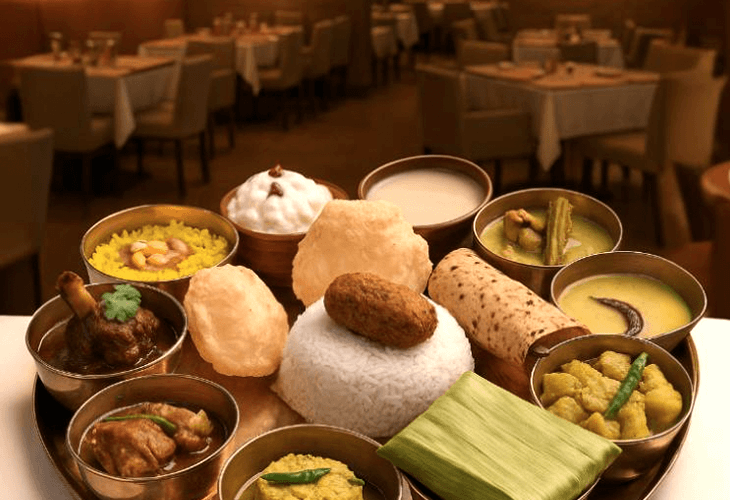
When every region of India has its speciality, have you ever thought what makes Kolkata exclusive? Besides being the cultural capital of India, Kolkata has its prominence as a “city of food”, and all credit goes to its rich culinary heritage.
Read More
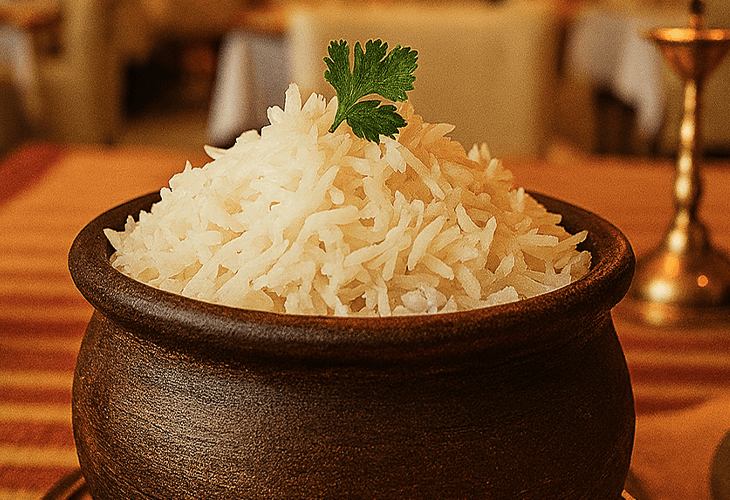
One way of knowing Bengali culture is to experience an entire course of dishes made with rice and fish.
Read More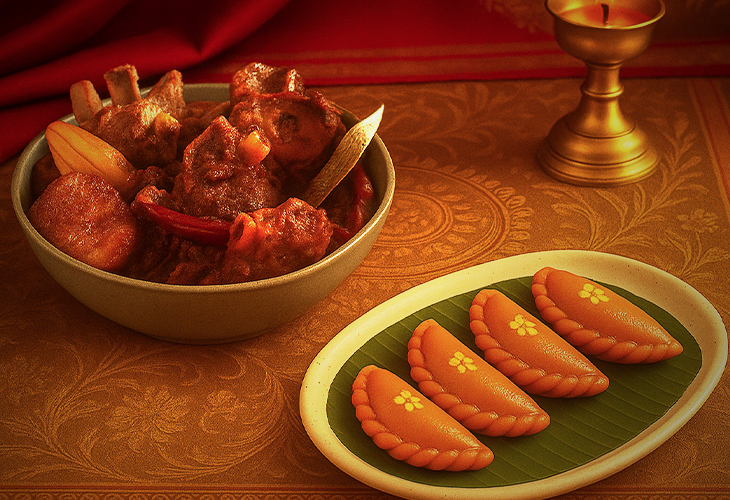
Did you know that ‘potol bhaja’ or fried pointed gourd was not even a thing in the Bengali kitchen? Yet, of the fries that one would savour with khichdi or with daal, it now ranks at the top.
Read More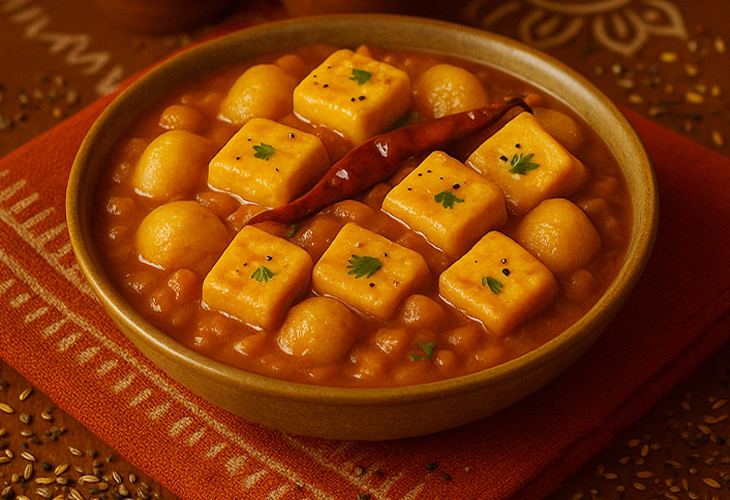
From Aaheli’s Chef’s Corner: Panch Phoron Chhana
May 20, 2025In the heat of the summer, one pines for those mellow, less spicy foods on the table. And the traditional Bengali kitchen has a plethora to satiate a King’s feast in the summer.
Read More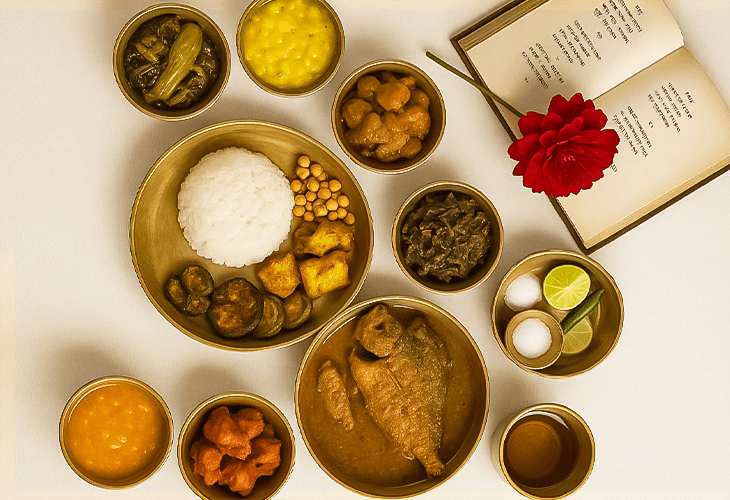
Aaheli: Reviving Tradition with a Green Twist
Apr 30, 2025Sustainability is more than making the right noises about fossil fuels – it is a way of life for us in the Peerless Group.
Read More