



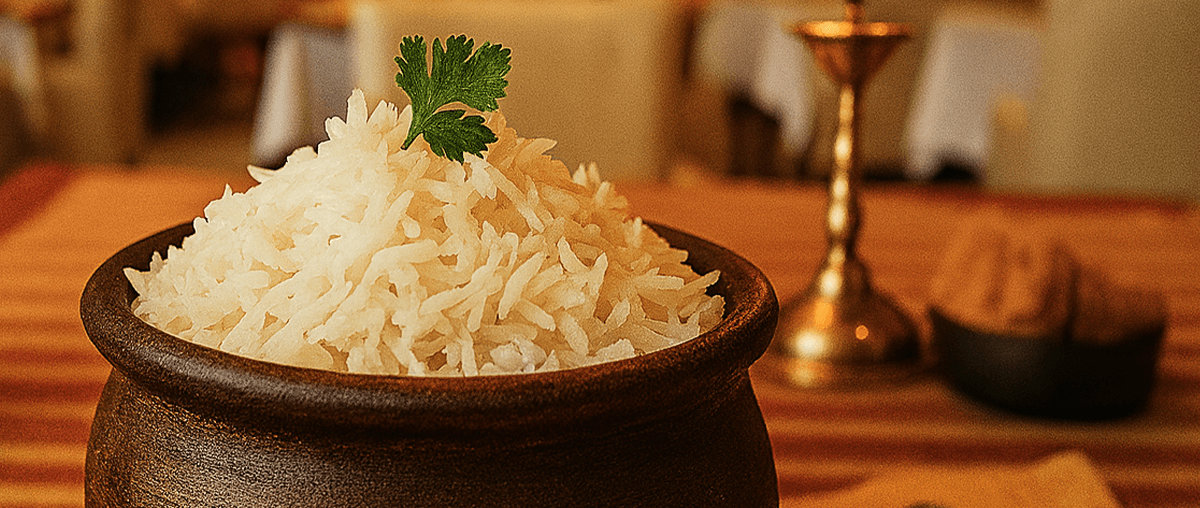

Aaheli is the One-Stop Experience Destination for Checking Out How Rice Defines Bengali Rituals
One way of knowing Bengali culture is to experience an entire course of dishes made with rice and fish. And for that, you need not run through the length and breadth of the state. Aaheli, at the Peerless Hotel Kolkata, best as a Bengali restaurant, right at the centre of Kolkata, is ready with the spread to help you experience the entire deal that defines “Maach and Bhater” Bengali (Bengalis of fish and rice).
But how does rice define a Bengali? It does from the moment one is born to the end of one’s life. Without rice, one cannot think of a Bengali ritual. Without this staple, one cannot think of ceremonial entertainments, and without this, no religious offering can be thought of as being complete in this part of the country.
And rice in Bengal is just not of one variety. There are various types and sizes of grains and they have their classifications. For example, for all religious offerings, the grains that are used are dried in the Sun and are called atap. Then some are boiled and called siddho. Siddho is never used for religious ceremonies or in celebrations of religious events. Siddho is a type that is generally found as part of regular meals. Then there are aromatic varieties like gobindobhog and hordes of non-aromatic varieties, each having their distinctive taste and use – both ceremonial and as part of regular meals.
The preparation of rice is as mind-boggling as its uses. For example, you can have plain steamed aromatic rice that is featured on Aaheli’s menu as Sugandhi Gobindobhog. Then there is basanti polao, a rich saffron-flavoured rice that has cashew and raisin and cooked with ghee. Rice is also cooked with prawn and mutton. On Aaheli’s menu you will find Coochbehari Chingri Polao, which is polao cooked with prawn. Morog polao is another variant that is cooked with chicken. For the mutton aficionados, there is Kumor Parar Mangsher Polao – a Bengali signature heritage dish that is difficult to find beyond Aaheli’s kitchen these days.
From starters to desserts, rice finds its way through an elaborate Bengali spread. For example, let us take a look at the life cycle. The first solid food that a Bengali kid cuts their teeth on is rice. As everybody knows, a wedding in India is an elaborate affair lasting through days, with each day having its specific ritual. And each ritual stays incomplete without the use of rice in some form or other. Even during pregnancies, just before giving birth, an expecting mother would be treated to a ritualistic elaborate meal (akin to a baby shower in the West) that again would include items like payes (a sweet dish made by boiling rice in milk), with boiled rice being the main carb. Even in death and the post-death rituals performed by the next of kin, rice cooked in various forms defines the ceremonies.
Rice is the staple of Bengal. So much so that Khichudi (a lentil and rice preparation popular across India) even finds mention in Ayurveda texts. The oldest historical record of it is found in the journal of Seleucus Nicotor, a general in the army of Alexander, written around 305 BC. Though Alexandar did not cross the river Beas but there are reasons to believe that Khichudi was also popular in Bengal and constituted an important part of religious offerings, and also as a comfort food for centuries.
The months in the Bengali calendar are all marked by one festival or another. Even here rice takes up the defining role. It starts with nabanna or new anno. It means ‘new rice’ to celebrate the harvesting of the new crop and ends in the month of Chaitra, which is marked by the Sankranti festival. And an integral part of it are rice cakes called pithas. Largely available during the festivals they are meant for, they, like rice, also have a long list of varieties
Fish is the other defining pole of Bengali culture. We will talk about it in a separate blog. But if you are the one who wants to experience the rich culture of this part of the country, you should also be on a food trip, and for that, stepping into Aaheli of the Peerless Hotel, which is one of the best Bengali restaurant, and ought to provide you with a comprehensive experience.
All old civilisations have a grain that is believed to be divine. To the Mayas in Latin America, it is Maize, and to the Bengalis, the culture-defining staple is rice. You boil the rice or pound it to fry – there will be a recipe for it in all the Bengali cookbook.
You may also like
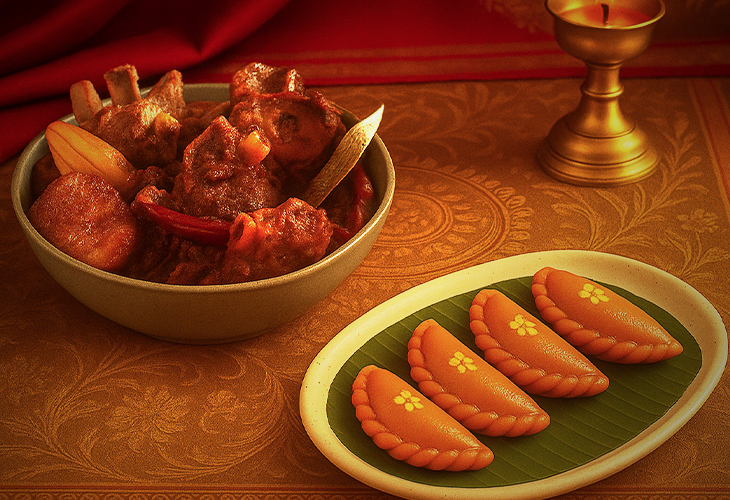
Did you know that ‘potol bhaja’ or fried pointed gourd was not even a thing in the Bengali kitchen? Yet, of the fries that one would savour with khichdi or with daal, it now ranks at the top.
Read More
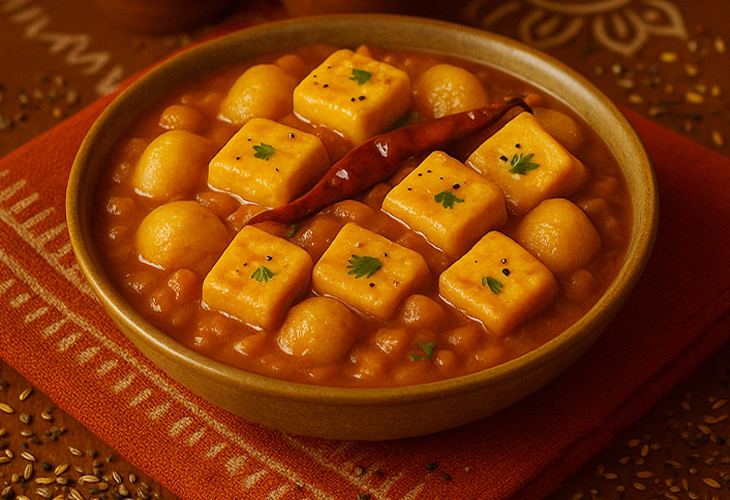
From Aaheli’s Chef’s Corner: Panch Phoron Chhana
May 20, 2025In the heat of the summer, one pines for those mellow, less spicy foods on the table. And the traditional Bengali kitchen has a plethora to satiate a King’s feast in the summer.
Read More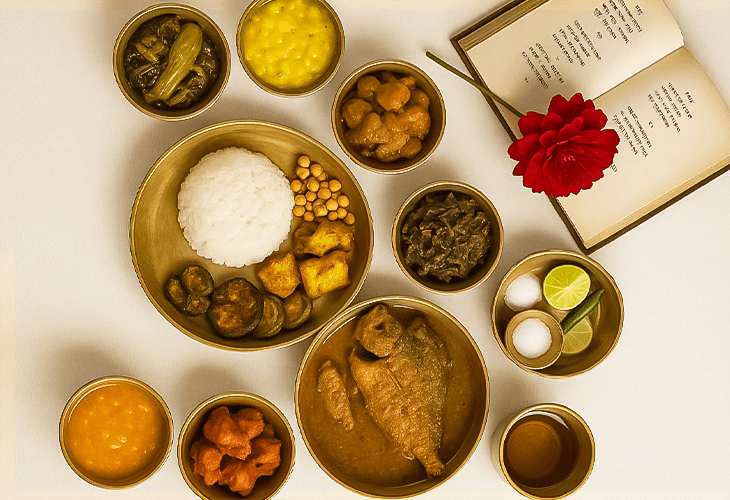
Aaheli: Reviving Tradition with a Green Twist
Apr 30, 2025Sustainability is more than making the right noises about fossil fuels – it is a way of life for us in the Peerless Group.
Read More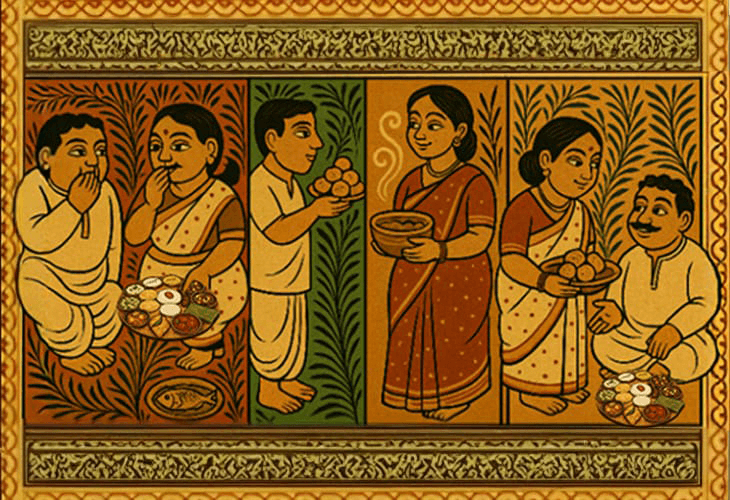
It is said that the Mughal Emperor Akbar had the then-royal lunar Hijri calendar aligned with solar agricultural practices as recorded by the Fasholi Shan (Harvest Calendar). This led to the development of the Bengali calendar Bangabda, with the first day of the first month, Boisakh, heralding the beginning of a new year.
Read More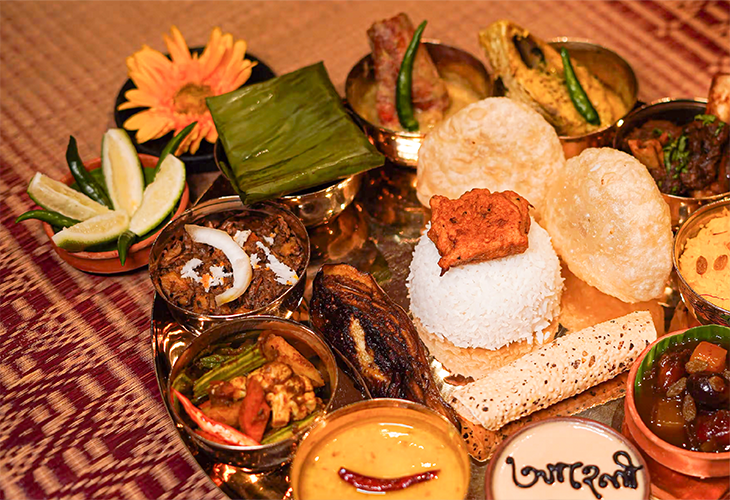
The Eclectic Essence of Bengali Cuisine
Mar 27, 2025Bengal has always been eclectic in embracing various cultures that crossed its path. This is why a quintessential Bengali was once described as someone who wore a dhoti and panjabi (kurta, as it is known elsewhere), smoked a cigar, and read Sartre!
Read More