





Understanding Heart Attack Symptoms and Emergency Response
Recognising Heart Attack Symptoms
The classic symptom of a heart attack is acute chest pain. Contrary to popular belief, this pain is not always centred on the left side. It can occur in the centre or right side of the chest and may even radiate to the back or arms, not necessarily confined to the left side. The key is to identify the characteristic nature of the pain.
Heart attack pain is typically heavy, constricting, and suffocating—often described as feeling like a boulder pressing down on the chest. The pain intensifies like a crescendo, may radiate to other areas, and can sometimes lead to a blackout. Having an emergency response plan in such a scenario is essential, and it reduces the chances of death.
Special Considerations for Diabetics
For long-term diabetics who develop neuropathy (nerve damage), the typical symptoms of a heart attack may be masked. These patients might not experience chest pain but instead suffer from sudden, severe shortness of breath. This masking effect can delay medical intervention, making it critical for diabetics with neuropathy to be extra vigilant about their heart health. For those who have long-term diabetes, it is better to spot the heart trouble symptoms and to visit an expert immediately.
Ischemic Heart Disease and the "Golden Hour"
Heart ailments such as ischemic heart disease involve damage to the heart due to reduced blood flow. When blood flow is restricted, the heart muscles enter a hibernation-like state and eventually die. Dead heart muscles cannot regenerate, but prompt medical intervention can save them.
The "golden hour" refers to the critical window of up to three hours—and sometimes as long as six hours—during which restoring blood flow can yield favourable outcomes.
"Door to Balloon Time"
In cardiology, "door-to-balloon time" measures the time from a patient’s arrival at a medical facility to the opening of the arteries through angioplasty. The standard goal is to achieve this within 90 minutes. This requires seamless coordination among the cardiologist, emergency team, and cath lab or operating theatre staff, all of whom must be prepared as soon as the patient arrives.
Stabilising Patients Before Transfer
For patients from remote areas, immediate treatment at a nearby medical centre to stabilise their condition is crucial before transferring them to a specialised facility. Even administering a few tablets in a local facility can save lives, as delays during the journey can be fatal.
The Hub-and-Spoke Model in Tamil Nadu
Tamil Nadu’s hub-and-spoke model exemplifies an effective approach to cardiac emergencies. Central hubs equipped with advanced facilities are connected to peripheral centres. When an emergency occurs, the patient is first taken to a peripheral centre for stabilisation. The centre then communicates with the hub, ensuring that all preparations for advanced intervention are completed by the time the patient arrives. This structured system, supported by detailed guidelines, has significantly improved cardiac outcomes.
Key Takeaway
In the event of a heart attack, prioritise reaching the nearest cardiology hospital for an emergency facility as quickly as possible, rather than attempting to reach a specialised centre hours away. Early stabilisation and timely intervention can save lives.
You may also like
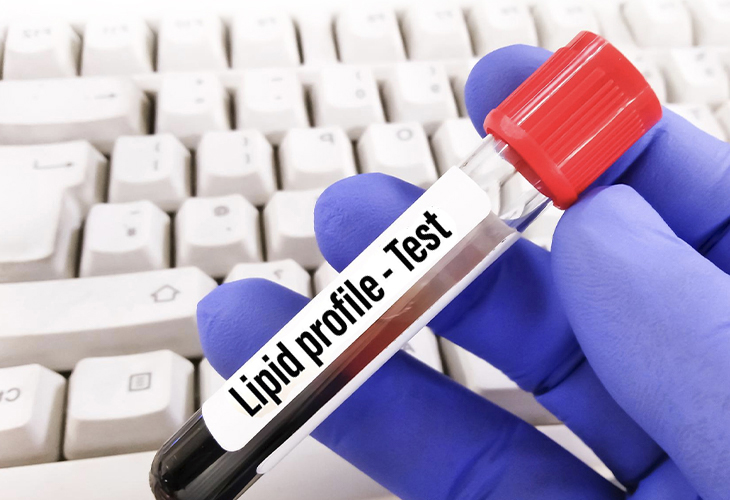
Lipids: The Silent Killers
Jun 4, 2025Lipids are often referred to as silent killers due to their ability to increase health risks without showing obvious symptoms. Two primary culprits in this category are LDL cholesterol and Triglycerides. Elevated levels of LDL cholesterol significantly heighten the risk of heart disease and heart attacks.
Read More

Cancer is treatable and most cancers are curable
May 22, 2025Some diseases may not be treatable, but cancer no longer falls into that category. However, a word of caution. There is no blanket answer to whether cancer is curable. Because cancer has many types, and no two types may be treated similarly with similar outcomes.
Read More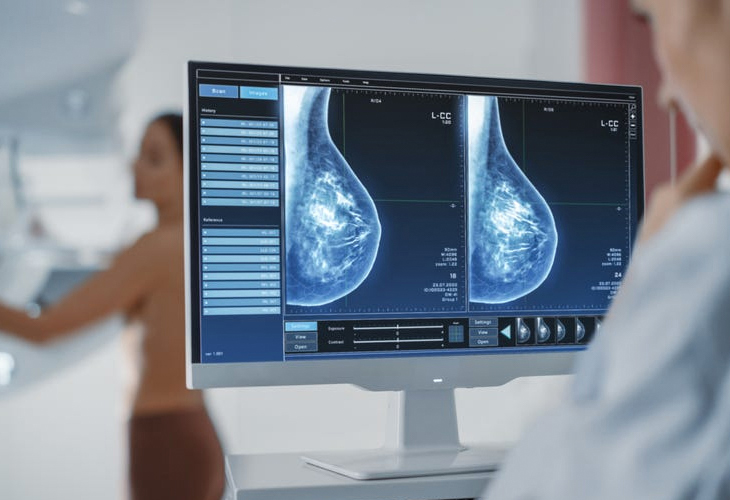
Despite revolutionary improvements in cancer treatment, this remains the most dreaded word for us. This is natural, as most patient parties are used to doctors informing them about how widely it has spread. We also know that the earlier the detection, the better the chances of a cure and survival. But despite the dread, we tend to ignore the steps that might take care of our apprehension.
Read More
From Aaheli’s Chef’s Corner: Panch Phoron Chhana
May 20, 2025In the heat of the summer, one pines for those mellow, less spicy foods on the table. And the traditional Bengali kitchen has a plethora to satiate a King’s feast in the summer.
Read More
Aaheli: Reviving Tradition with a Green Twist
Apr 30, 2025Sustainability is more than making the right noises about fossil fuels – it is a way of life for us in the Peerless Group.
Read More