



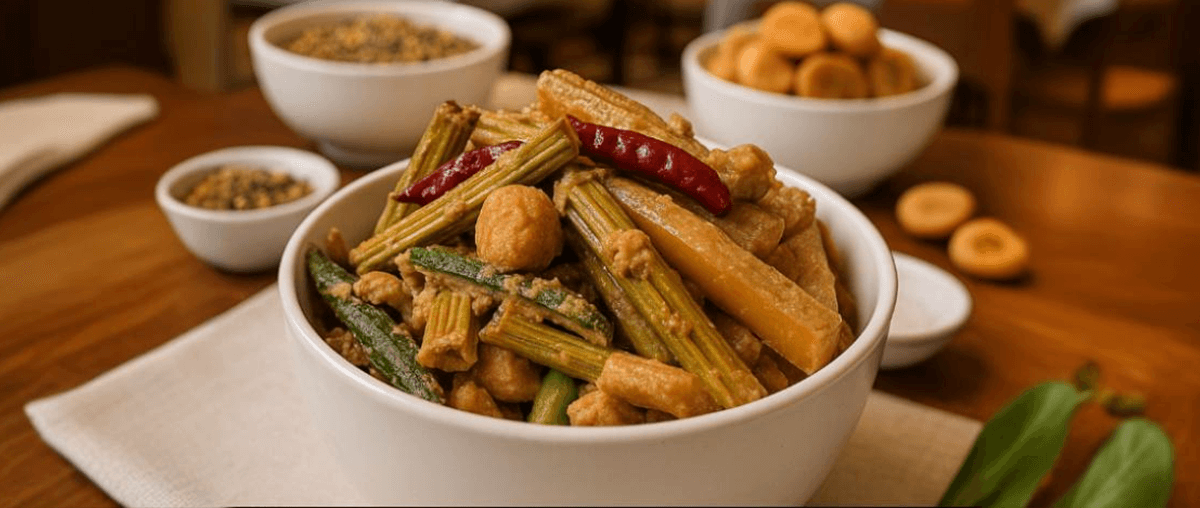

Beyond Maach Bhaja: Uncovering the Vegetarian Gems at Aaheli
Even though Bengali cuisine is globally known for its non-vegetarian preference, especially fish, the vegetarian dishes cooked in the kitchens of Bengal have a long and rich history. Each vegetarian item done in a typically Bengali kitchen is an intricate ensemble of spices and culinary skill that is very difficult to re-enact by anyone not trained in the culture. Aaheli, the iconic Bengali restaurant at Peerless Hotels, offers an authentic experience to a gastronomic explorer eager to return home with a delectable memory. In this Aheli has taken upon itself the onerous task of introducing the non-Bengali foodie to the delights of vegetarian Bengali Cuisine.
More than the ways we cook fish, the culinary variety of vegetarian dishes made in a Bengali kitchen is astounding, to say the least. It, in its ways, reflects cultural exposure that this region has had to Portuguese, Dutch, Turkish, Mughal and other provinces of India. And all these influences got potted by largely the widows of Bengal, ordained by societal norms to vegetarianism, over the centuries.
Religious sects, through their practices, also contributed to the rich heritage of vegetarian cuisine in this part of India. Vaishnavism, led by Chaitanyadev, cast a deep influence over a large number of Bengalis in the 15th Century and turned them vegetarian. In Mukudaram’s Chandimangal, written in the 16th Century, we find elaborate mention of vegetarian dishes, including Shukto. The Sheherwali community of Murshidabad contributed to a unique line of vegetarian cuisine, avoiding onion and garlic, and using saffron elaborately. Lest it be misread, one should remember that the contribution of the Bengali widows to vegetarian cuisine also avoided onions and garlic and was hugely dependent on leafy vegetables.
A rain-fed, riverine region, Bengal has always had an abundance of local vegetables and rice. And the widows barred from eating fish, meat, onion, garlic and a host of others focused on locally available vegetables, applied their innovative minds and came out with savoury mouth-watering dishes.
From this, one shouldn’t surmise that other Bengalis shunned vegetarian dishes. Far from it. A Bengali platter even today starts with bitter and runs through the entire taste palate to end in sweets. And in this run, vegetable dishes have a pride of place. A domestic cook is tested and employed for his or her excellence in cooking vegetables.
A typical lunch menu would start with Shukto or Shuktoni as Aaheli’s menu calls it. It is bitter sweet and is cooked in a variety of ways depending on the region of Bengal. Then comes Daal and fries. Daal again is cooked in many forms and can be sour or salty. On Aaheli’s menu you will find a daal made with green mango. Take the example of Sona Muger Daal, which has been elevated to the status of a star in Aheli, or the hugely popular Narkel diye Cholar dal, a traditionally popular dish that has been reimagined and perfected to a level where it can be passed as the main accompaniment of the meal. Some take daal at the end of the meal or as the second item after shukto. This again is followed by another culinary delight from the historic heshels (family kitchens) of Bengal – the Chachra. A mishmash of vegetables, bland enough to ensure that the flavour of each ingredient is distinguishable, but tasty enough to ensure an almost visual representation of a gustatory sensation. Fried brinjal or begun bhaja is a very popular accompaniment for daal. Thought apparently it is just a friend vegetable, but at Aheli, the attention that is given from procuring the right brinjal ripe enough to be fried, to the heating of the cooking material, to the exact temperature where the succulent juices are released, to the garnishing with just a hint of spices, as per the time tested traditions of the land, that the accompaniment has reached a cult status, known to melt in the mouth as it melts hearts. In the same breath, mention must be made of posto-narkeler bora ( deep-fried poppyseed and coconut dumplings): a delicacy that has been revived from the palettes of yore and recreated with total adherence to traditional cooking styles.
The menu keeps rolling through leafy vegetables to ultimately land in fish and mutton or chhana and then deeps into savoury misti doi and delectable sandesh. Chhana – made by cuddling milk and separating the whey (but is distinct from Paneer) is another staple which has been used in multifarious ways in Bengali cuisine, some of which are sought to be immortalised in the Aheli menu – like for example, Chhanar dalna, a concoction where spices highlight the neural taste of Chhana to ensure a gastronomic delight. Another perennial vegetarian favourite at Aheli is Tomato Badam Aloor Dam, where the wholesomeness of the ubiquitous potato is heightened by the tangy tomato puree, even as a rich paste of nuts adds a new dimension of sheer exotica, transforming the ordinary to a dish worthy of a connoisseur’s refill.
If someone were to list the Bengali vegetable dishes by ingredients and ways of cooking, each vegetable would demand a chapter running into pages.
Suffice it to say that Bengali kitchen has left no local vegetables untasted. And have managed to turn each into part of a symphony of delectable gustatory experiences.
Summing Up: While Bengalis are more known for their love of fish, we tend to forget that we have huge and mind-boggling vegetarian dishes to offer, an authentic taste of which can be experienced at Aaheli of the Peerless Hotels.
You may also like
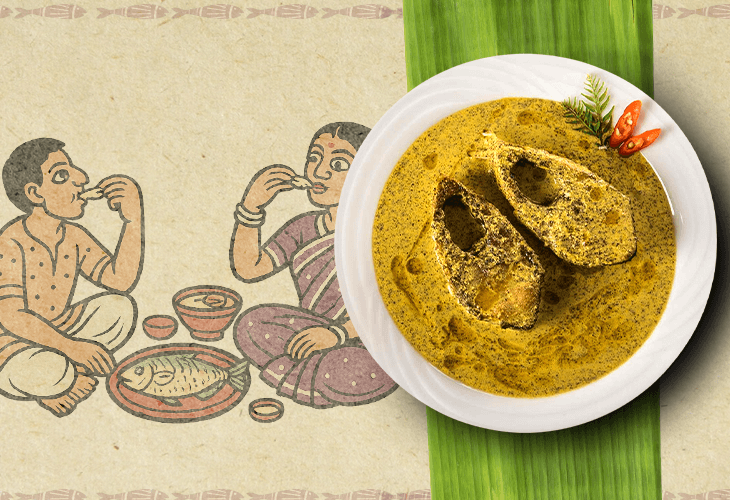
Ilish Festival in Kolkata: A Must-Visit
Aug 13, 2025It is no less than a grand symphony in which begins with the Hilsha fish (Tenualosa Ilisha) making a long and arduous journey from the Bay of Bengal to its spawning grounds in the freshwater rivers.
Read More
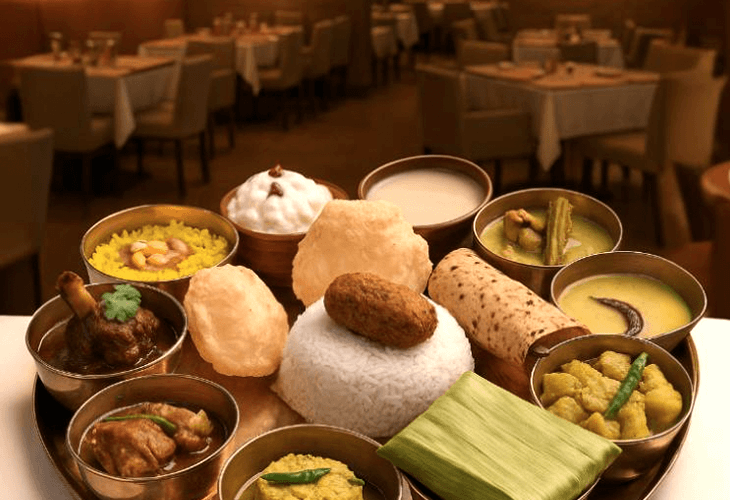
When every region of India has its speciality, have you ever thought what makes Kolkata exclusive? Besides being the cultural capital of India, Kolkata has its prominence as a “city of food”, and all credit goes to its rich culinary heritage.
Read More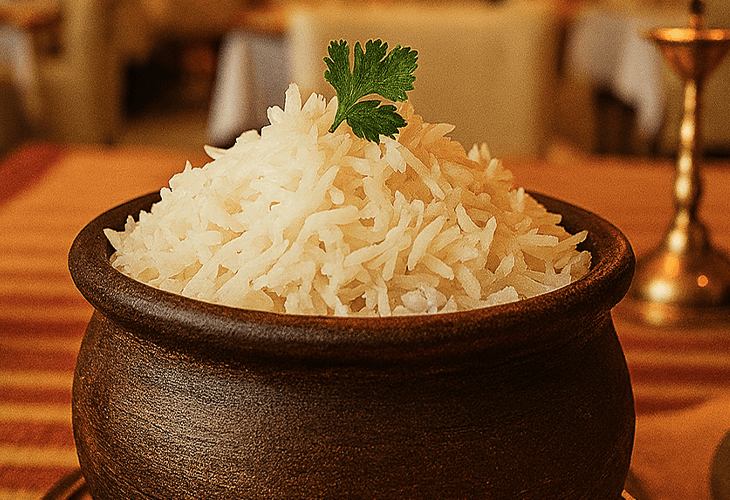
One way of knowing Bengali culture is to experience an entire course of dishes made with rice and fish.
Read More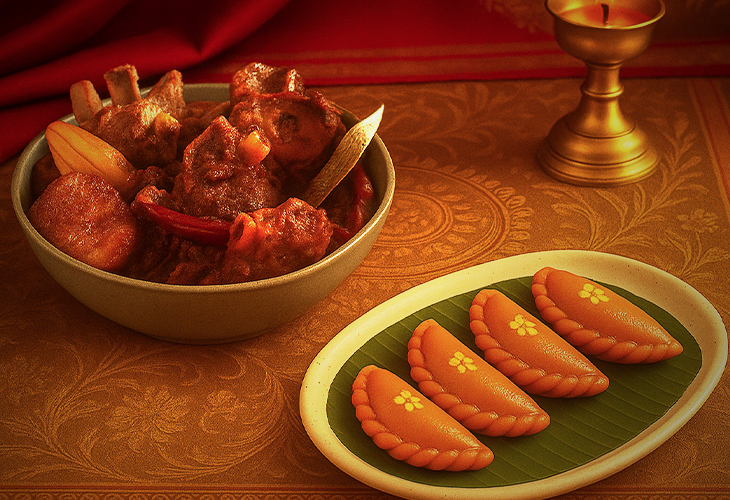
Did you know that ‘potol bhaja’ or fried pointed gourd was not even a thing in the Bengali kitchen? Yet, of the fries that one would savour with khichdi or with daal, it now ranks at the top.
Read More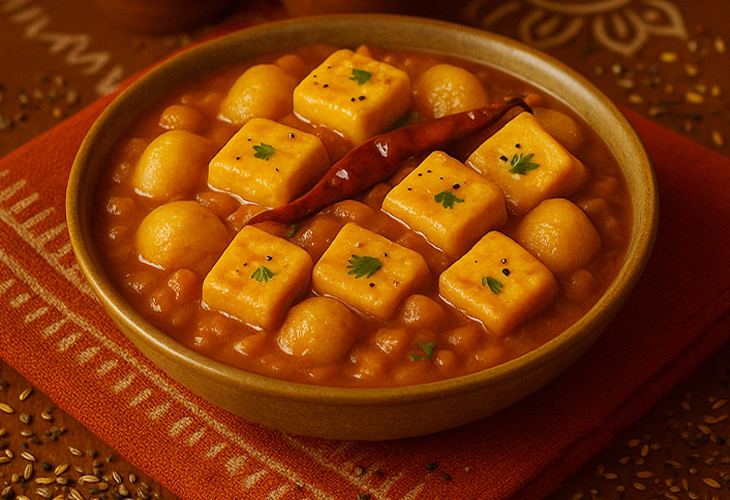
From Aaheli’s Chef’s Corner: Panch Phoron Chhana
May 20, 2025In the heat of the summer, one pines for those mellow, less spicy foods on the table. And the traditional Bengali kitchen has a plethora to satiate a King’s feast in the summer.
Read More