



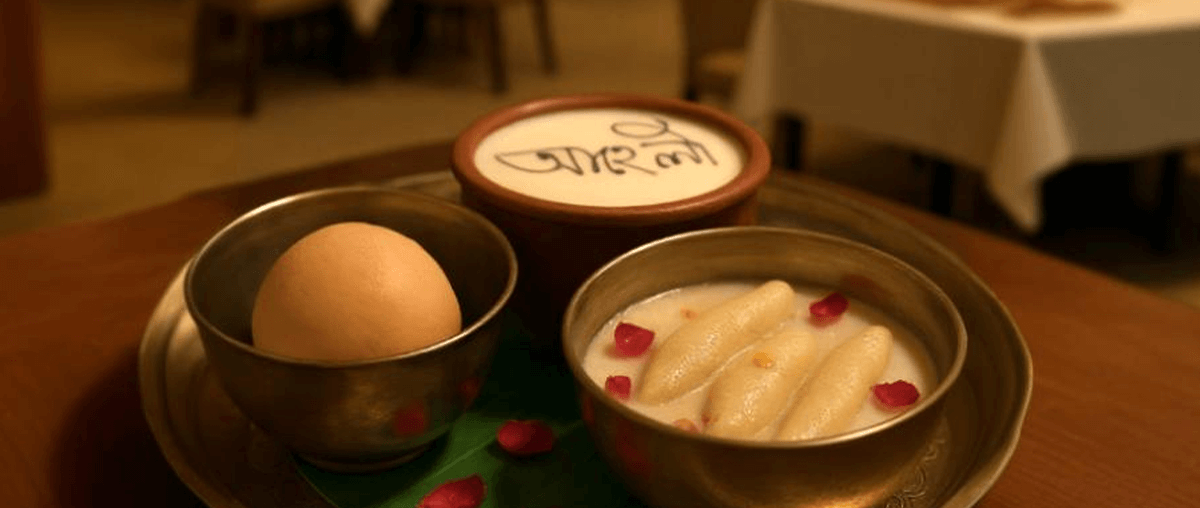

The Unique Flavours of Aaheli: A Journey Through Their Dessert Menu
The fish-loving Bengali cannot do without sweets at the end of their meals. And at Aaheli, the restaurant at the Peerless Hotels, famous for curating authentic Bengali cuisine, you should experience the reason why the Bengalis are so fanatic about their sweets.
Bengal is the place for jaggery, rice and coconut. In another blog, we have talked about the varieties of rice Bengal produces. But Bengal had no idea about Chhana. And please note that paneer, the hard version of chhana, is still struggling to make its way into an authentic Bengali spread. But let us get back to the story of the Bengali dessert and walk through the dessert menu at Aaheli to relish it.
Although milk was produced in abundance, the simple technology of making chhana was elusive to the cooks of Bengal. But sweets were in abundance, as were their varieties. Nadu, payesh, monda, batasa and pithas were made in their myriad varieties. They were offered to the deities and were eagerly accepted by all.
But the twist in the tale had to await the arrival of the Portuguese. They taught us how to make chhana, which unfurled the innovative minds of the Bengali cooks. And they made rasogolla and sandesh from it. The fish-loving Bengali globally also got recognised as the people from the land of rasogolla and sandesh. And yes! The misti doi. However, the experts are divided in their opinion about the timing of its origin, but as with every other dish, this one also has mind-boggling varieties.
At this point, Bengali sweets reached a fork – the traditional ones made from rice and rice flour and the newbies like rasogolla and sandesh made from chhana.
But if you have two distinct lines of anything there would always be an attempt to marry them into a third line, and so was born sitabhog under the patronage of the Maharaja of Bardawan. It looks like sweet polao, but it is not a polao. Chhana and rice flour are mixed to make a dough and are rolled into smaller pieces resembling rice grains. It is made with ghee and sugar, and then, for good measure, deeply fried tiny chhana dumplings made again with rice flour, milk and ghee are mixed, which breaks the taste and adds an undeniable attraction to the sweet.
Bengali sweets are ever evolving, and that’s what makes them so attractive. Aaheli is also part of this dynamic culture and serves you a spread that has won the kudos from the food buffs. Take, for example, the Aamshatta Khejurer Chutney. It’s a pickle, yet it’s a dessert. It is a homemade sweet pickle made with dry mango and date palm preserve.
How can a Bengali dessert menu not have sandesh and doi? Our ‘doi kalash’ (homemade sweet curd) and sandesh are a must-have. And of course, malpooa – a pancake deep fried and soaked in sugar syrup. Aaheli makes it a point to run you through an entire representative gamut of sweets that define the Bengali dessert palate so that you get to take back the essence of the culinary skills that this part of the country is so famous for.
Summing Up: At Aaheli, the iconic Bengali restaurant at the Peerless Hotel, we curate authentic Bengali cuisine and serve a dessert spread that takes you through the entire cultural evolution of Bengal and how it has been shaped by the external influence and helped reach a unique height that has won it global recognition.
You may also like
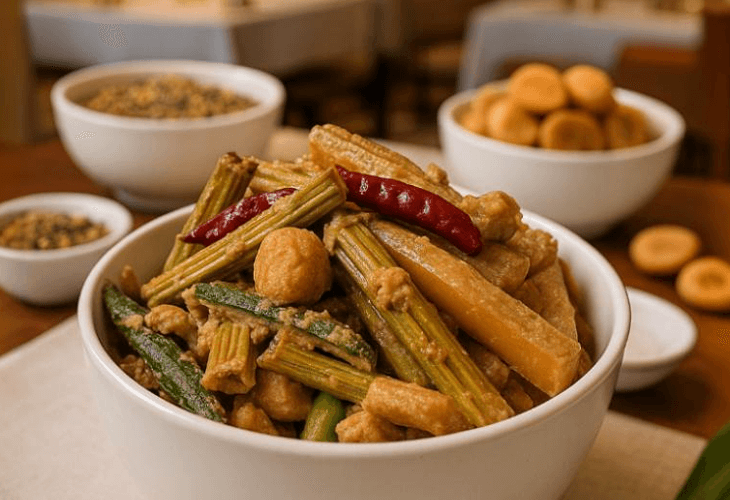
Even though Bengali cuisine is globally known for its non-vegetarian preference, especially fish, the vegetarian dishes cooked in the kitchens of Bengal have a long and rich history.
Read More
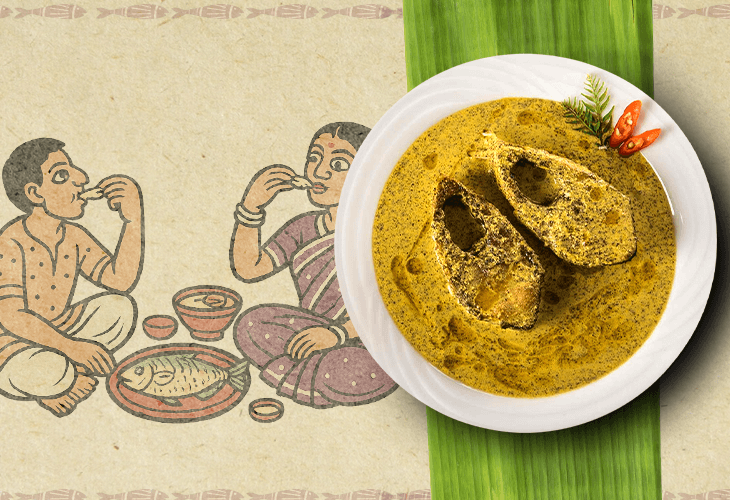
Ilish Festival in Kolkata: A Must-Visit
Aug 13, 2025It is no less than a grand symphony in which begins with the Hilsha fish (Tenualosa Ilisha) making a long and arduous journey from the Bay of Bengal to its spawning grounds in the freshwater rivers.
Read More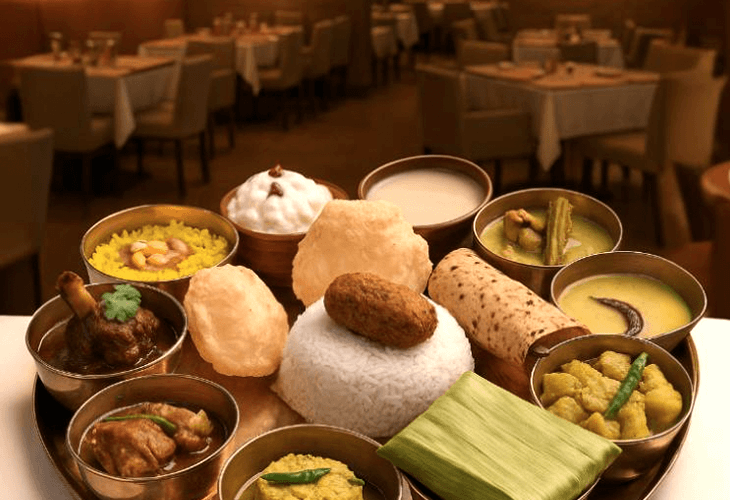
When every region of India has its speciality, have you ever thought what makes Kolkata exclusive? Besides being the cultural capital of India, Kolkata has its prominence as a “city of food”, and all credit goes to its rich culinary heritage.
Read More
One way of knowing Bengali culture is to experience an entire course of dishes made with rice and fish.
Read More
Did you know that ‘potol bhaja’ or fried pointed gourd was not even a thing in the Bengali kitchen? Yet, of the fries that one would savour with khichdi or with daal, it now ranks at the top.
Read More